Primary and Secondary Research
Middletown’s Color Neighborhood, Middletown
I typically like to provide some historic background or factual citations for the things I write about. Secondary research, they call it. Or, in this case, secondary colors research. Certain topics practically demand an explanation or perspective.
Friends, I’ve got nothing here. And I really, really want something. And that positively bums me out.
I am no longer as bummed out, as a reader has provided me with some background.
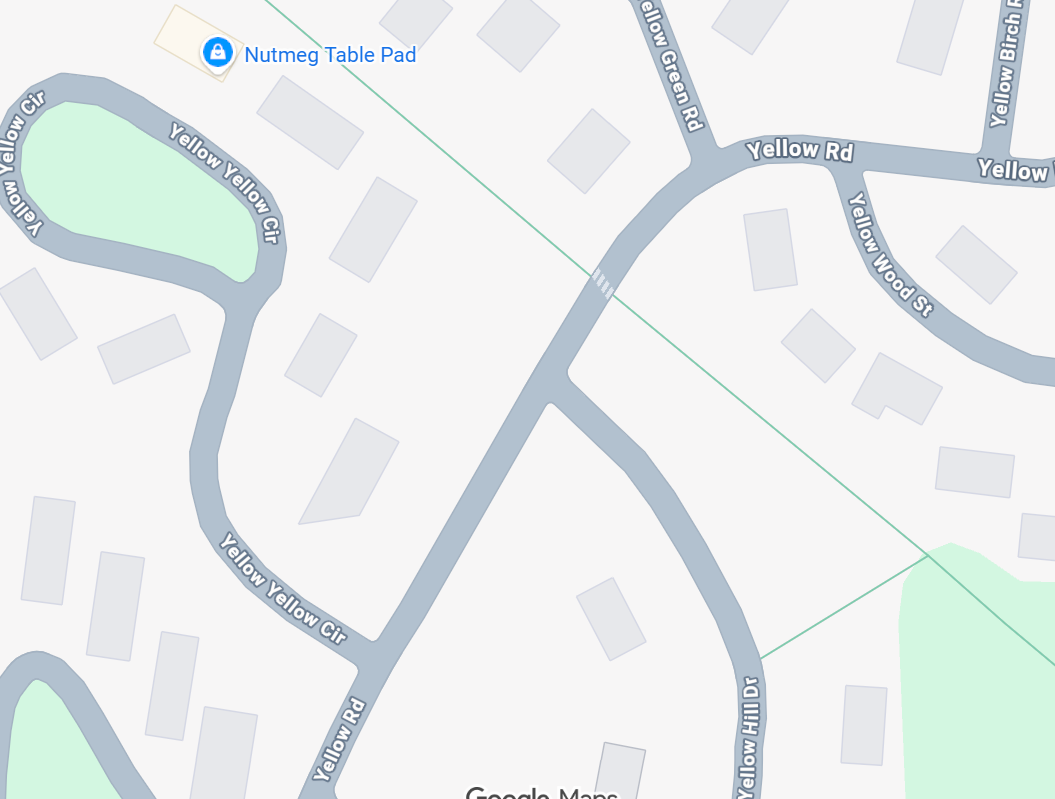
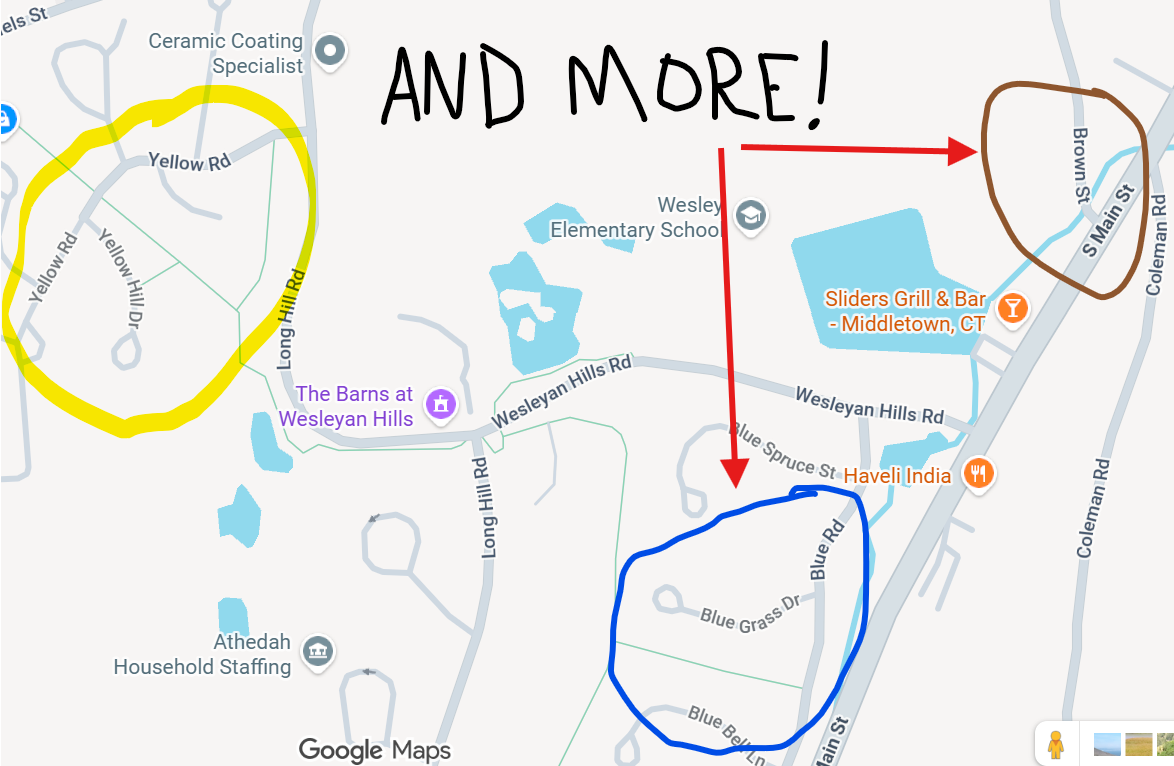
I’m talking about Middletown’s neighborhood of color themed street names.
Now, I’m quite positive there are probably hundreds of neighborhoods around the country with color-themed street names. Yellow Road intersecting with Blue Street off of Green Drive or whatever. Heck, something similar probably exists somewhere in Connecticut. (Cue a commenter to verify this below someday.)
But Middletown is different. Something happened to the developer or planning & zoning commissioner to get what we’ve got. Perhaps a head injury or some sort of psychosis. Because, really, there’s no other explanation for just how bonkers those in charge of these things went when designating these streets.
The ‘hood is part of the Wesleyan Hills Association development. It is a planned community that includes single family homes and condos and is all part of an HOA. The “explanation” of this nonsense isn’t so much an explanation as an excuse though:
The three single-family residential areas are identified by the names of colors given to the main street: Red, Yellow and Blue. Further, the names of cul-de-sacs off these main streets include the area’s color name such as Yellow Pine, Blue Spruce, and Red Clover. All the streets (except Orange Road) are owned and maintained by the City of Middletown. This includes snowplowing and maintenance of the streetlights.
Custom-built homes on larger lots are in the Red areas; homes on smaller lots and clustered around a commonly owned green are in the Yellow area; and homes on traditionally designed streets are in the Blue area.
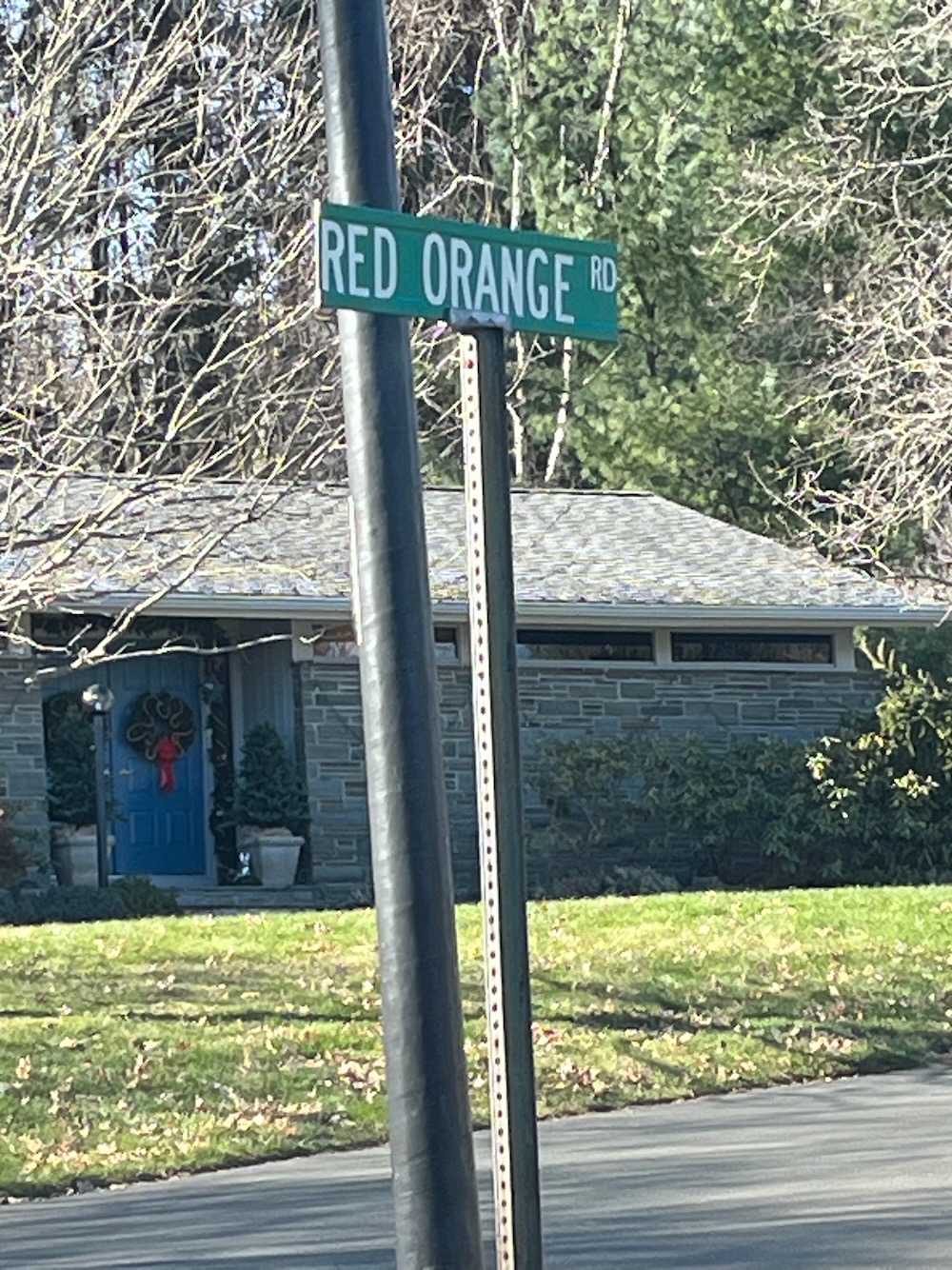
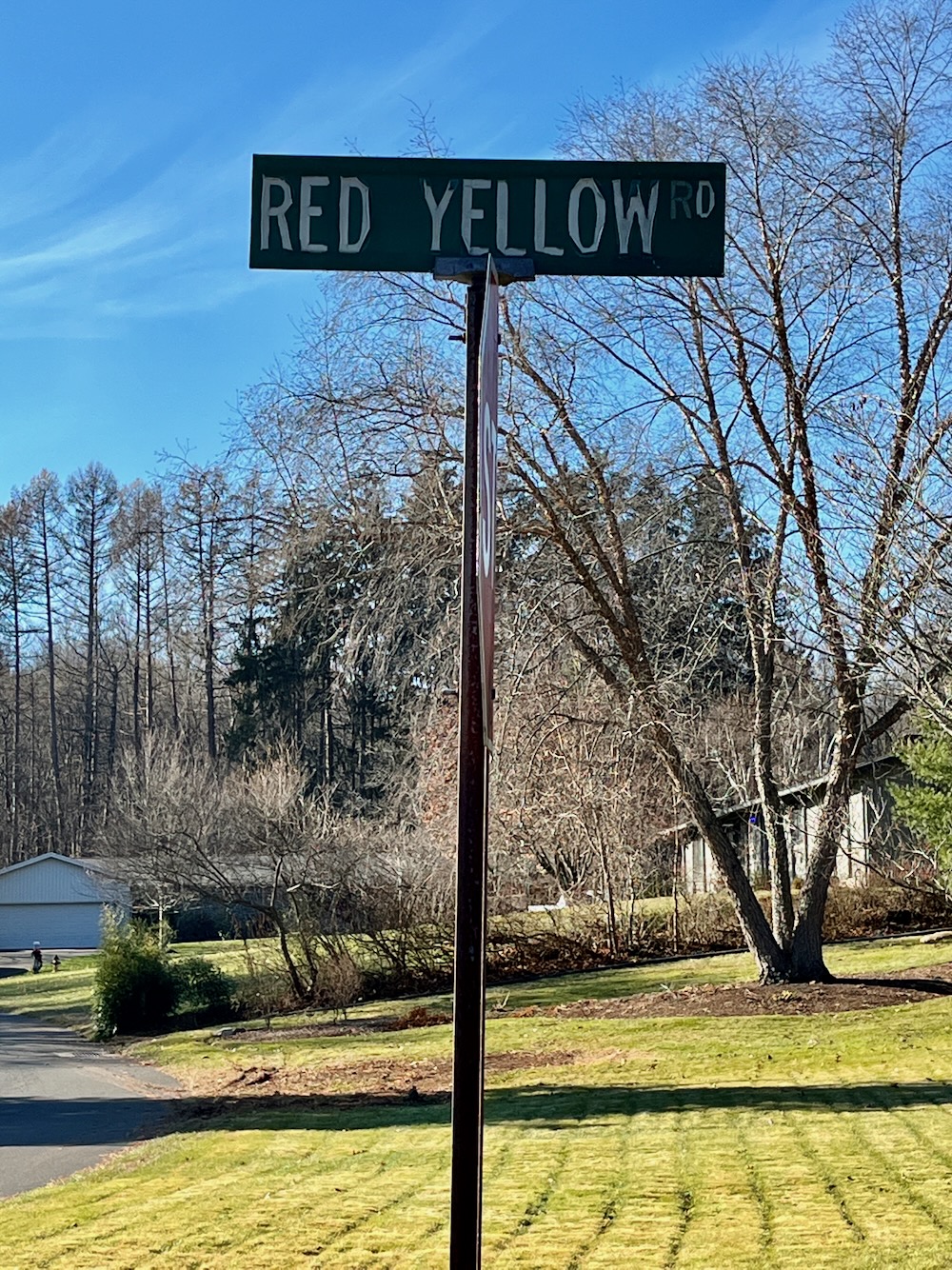
The color ‘hood is in the southwestern part of town just south of Mercy High School and borders Wadsworth Falls State Park. One road can be seen from a trail in the park. That would be Red Road. To get to Red Road, Take Red Bud Street to Red Clover Circle, which isn’t a circle, to Red Road. You can continue to get out of there via Red Orange Road to Red Yellow Road back to Red Road to Red Clover Circle to Red Bud Road.
I’m not making this up.
I wish I was.
It gets worse.
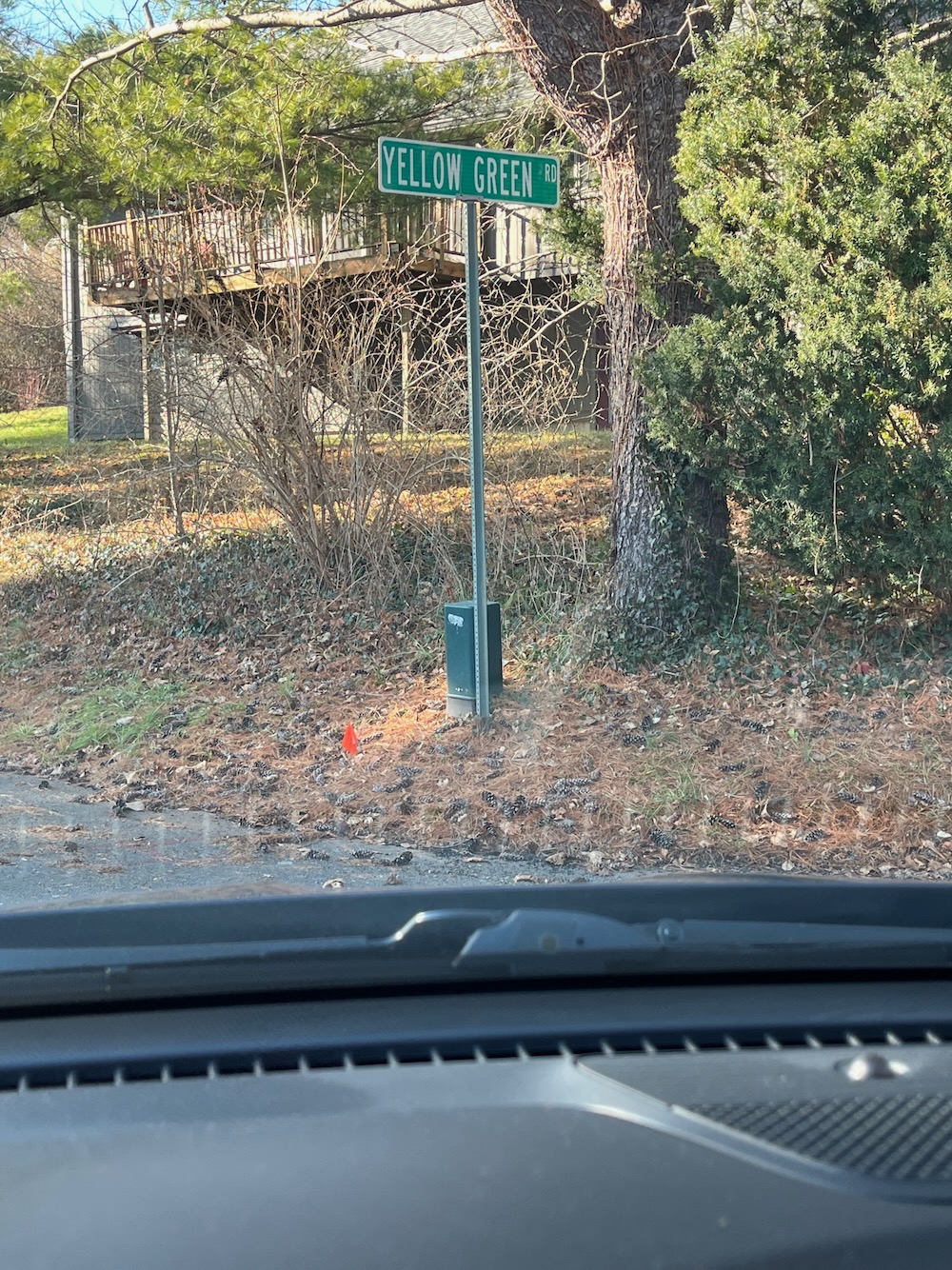
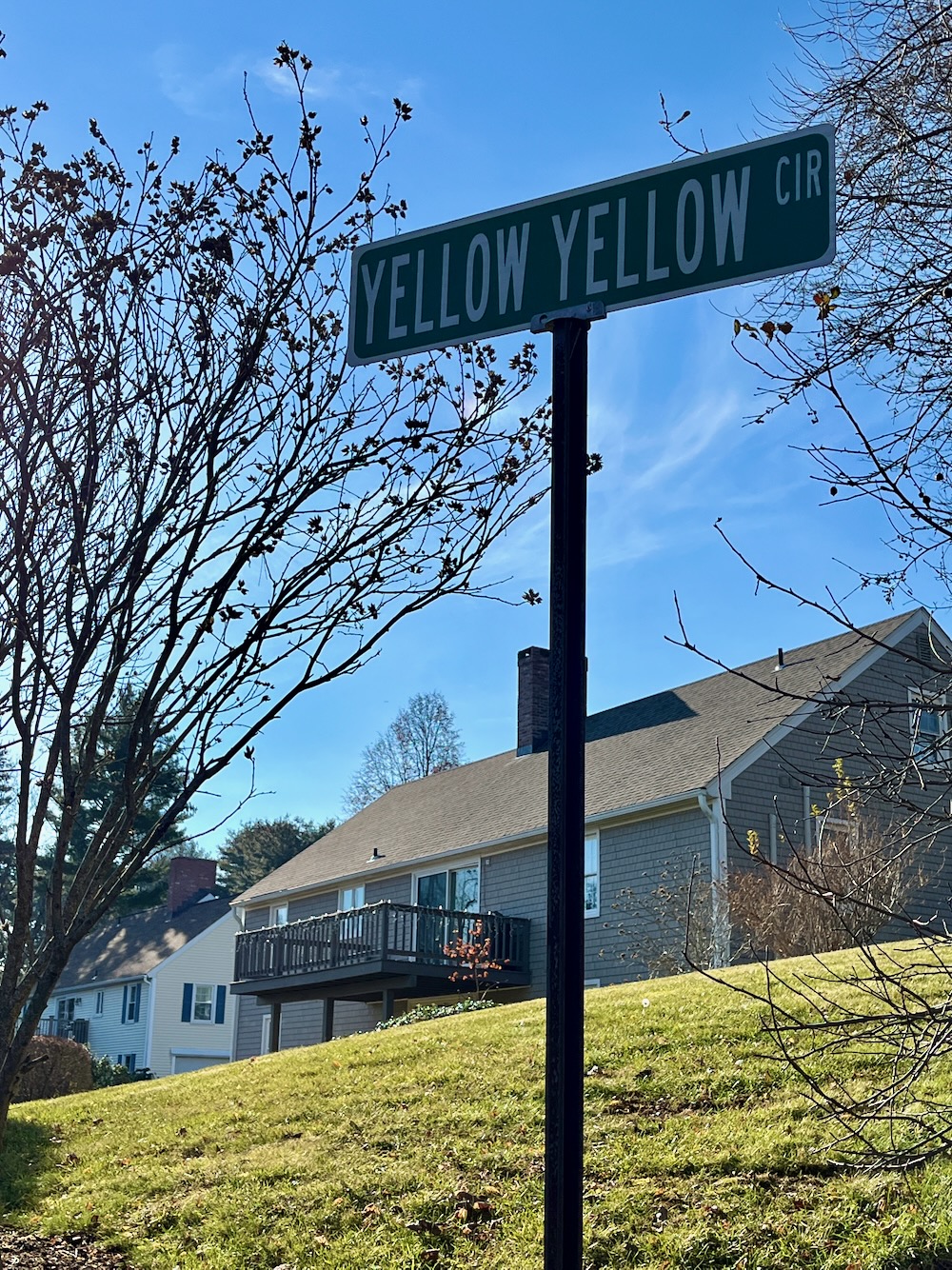
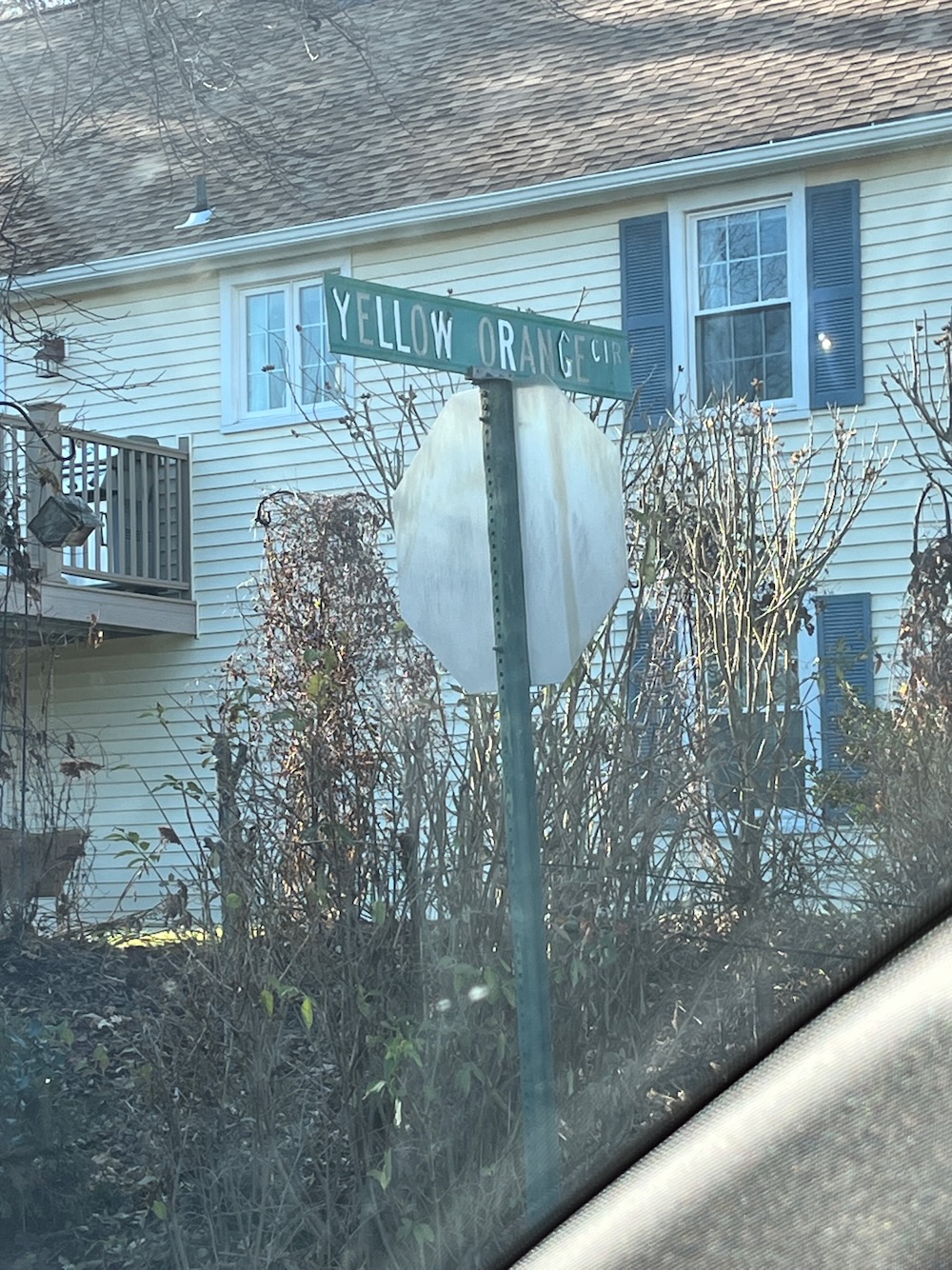
In one section, past Orange Road, you can travel up Yellow Road to get to, deep breath, Yellow Birch Road, Yellow Green Road, Yellow Hill Drive, Yellow Orange Circle and Yellow Pine Circle… and Yellow Yellow Circle.
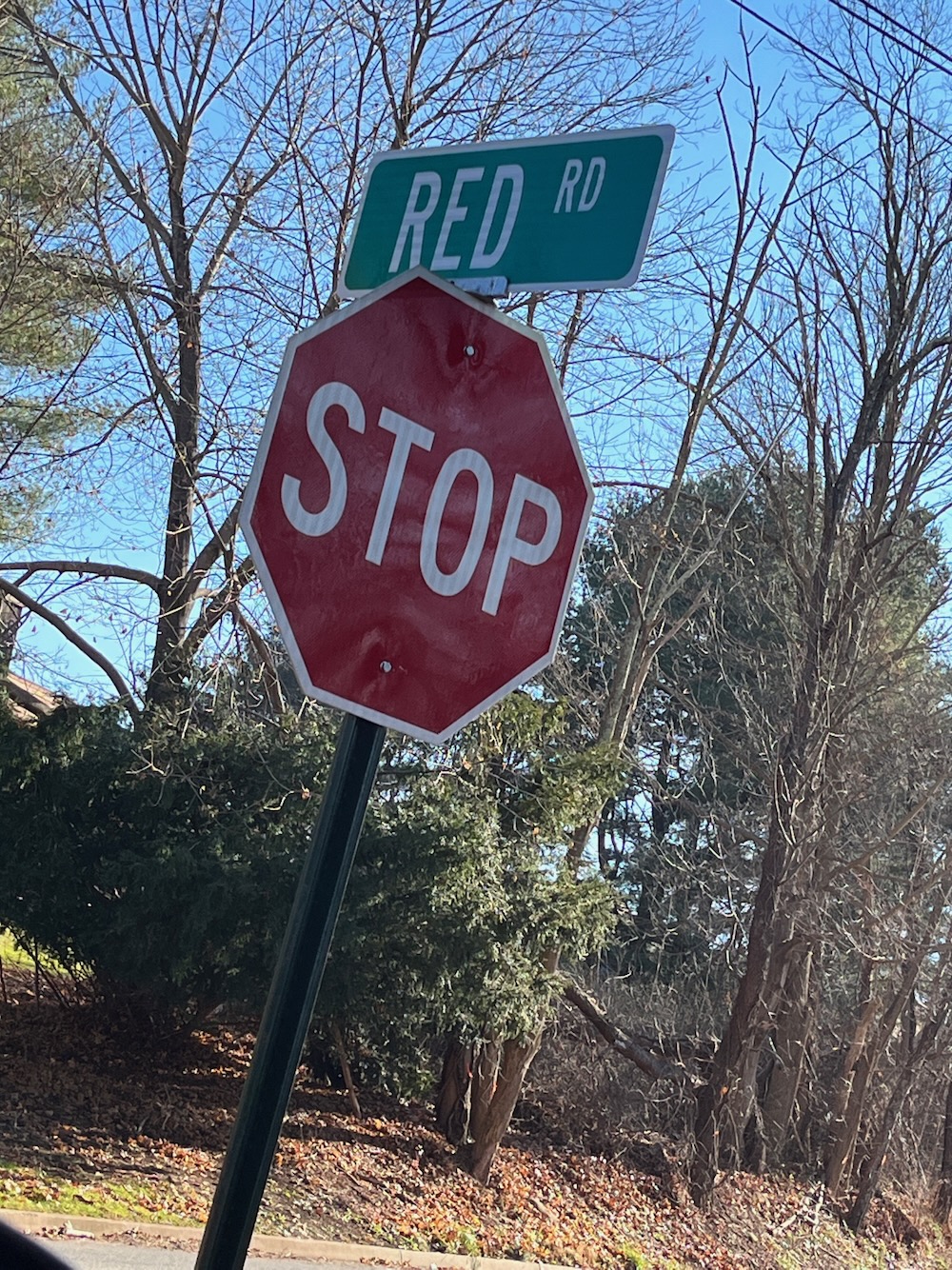
Someone should have “stopped” after Red Road.
Those poor people have to write “Yellow Yellow Circle” as their address. Think about that for a second.
Or imagine olden pre-GPS times and telling your crew how to get to your house for a gathering? Do the people who live here hate it or love it? So many unanswered questions. This will haunt my dreams for months. Do everyone dream in color? I don’t know, but I’m glad I can say I drove these streets and that despite being in the Twilight Color Zone, it appears to be perfectly normal neighborhood.
And that’s called primary (colors) research.

Wesleyan Hills
CTMQ’s Highways, Roads, & Tunnels



 Michelle Niemeyer says
October 25, 2026 at 8:19 amMy family was among the first in Wesleyan Hills. Our street started as Yellow Green and became Yellow Pine. It was a unique and really cool neighborhood. We lived on ice skates in the winter and at The Club and Wadsworth and the fields in the summer. We built forts and igloos and didn’t come home until the street lights went on. We had our own Montessori-like “open classrooms open minds” public school and got a reputation for being unmanageable when we got to the traditionally structured middle school. What do you mean we need a hall pass to go to the bathroom or leave to the library because we had an idea and wanted to look it up? We were, quite literally, like the GenX you see on social media fueled by parental and community encouragement.