
I’m Gladys Exists
Tantaquidgeon Museum, Montville
May 2019
This is a US Oldest and was Connecticut museum visit #421.
I imagine that 95% of people familiar with the Mohegans think of the Mohegan Sun Casino when they are asked what they know about the Mohegans.
The other five percent think about James Fenimore Cooper’s “Last of the Mohicans,” mixing up the New York Mahicans with Connecticut’s Mohegans. (They can be forgiven, since Cooper featured a main character named Uncas, who was a famous 17th-century chief of the Mohegan tribe.)
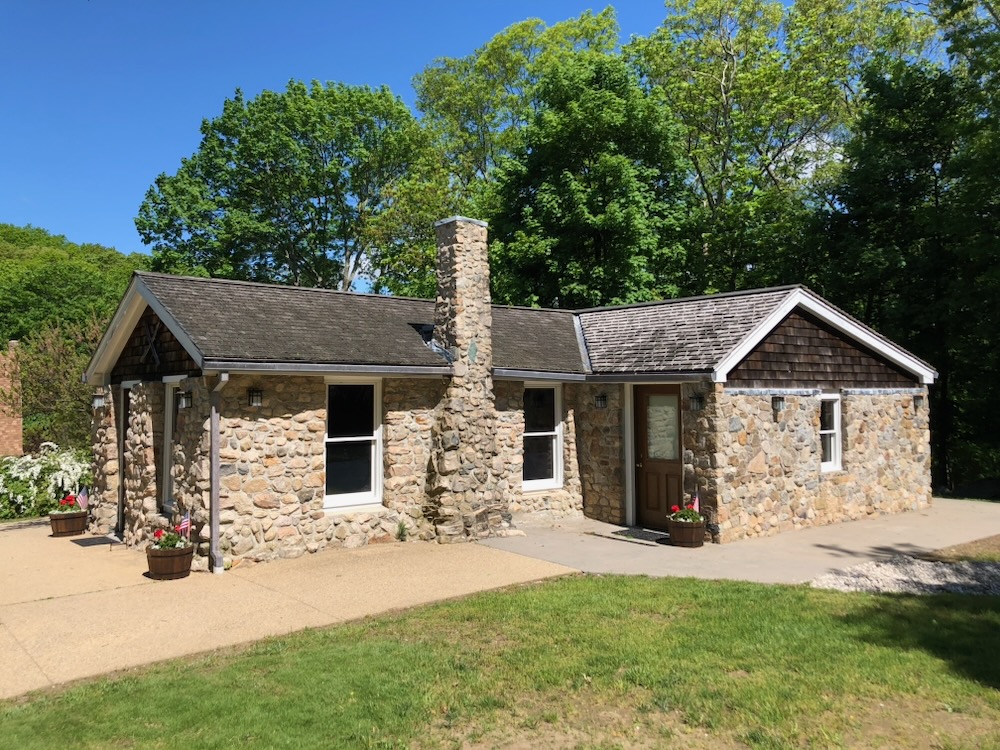
And that’s a shame, because that leaves 0 percent who think about the Tantaquidgeon Museum. I love the Tantaquidgeon Museum – and the Mohegan Church across the road. This little plot of land in Montville is the only plot of land the Mohegans always held and was integral in gaining the tribe federal recognition.
Furthermore, this museum, built in 1931, is the oldest Native American-owned and operated museum in the United States. You know I love me some superlative goodness.
The original stone structure stands today about five minutes south down Route 32 from the huge Mohegan Sun casino. The Mohegans never built their own giant museum like the tribe a few miles away did at their $200 million edifice, the Mashantucket Pequot Museum in Ledyard. If you’re curious, the book Hitting the Jackpot by Brett Fromson is rather unkind regarding the Pequot Museum and its size and cost.
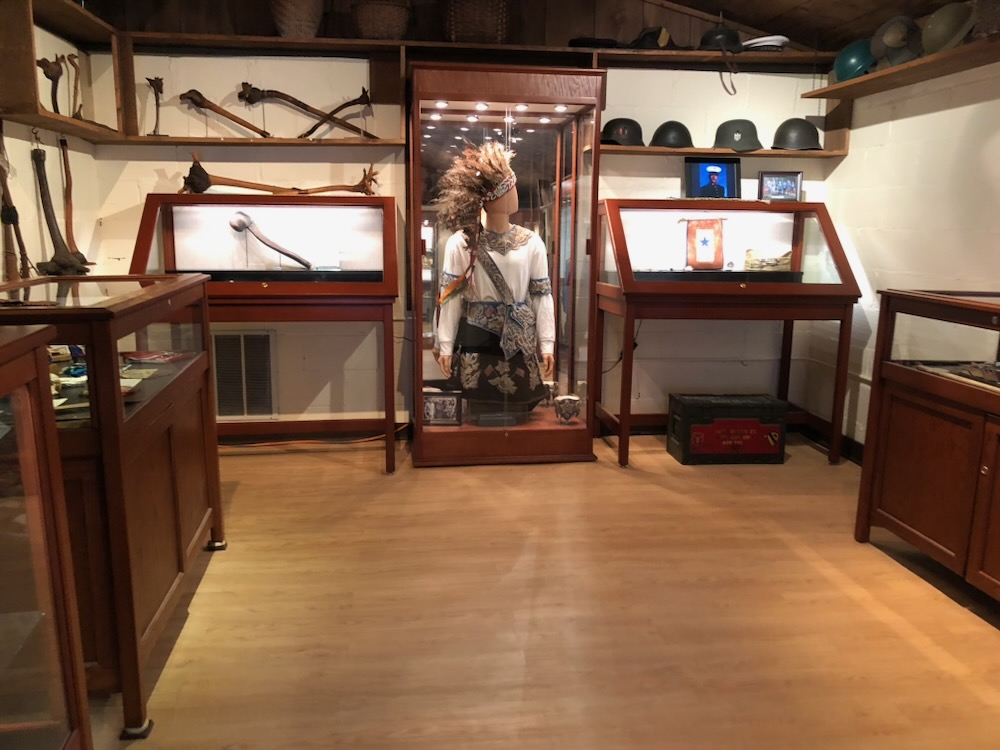
The Tantaquidgeon Museum is the opposite of that. It was built in 1931 at the height of the Great Depression by John Tantaquidgeon. Along with his children, Harold and Gladys, John founded the museum on the premise that it is harder to hate someone you know a lot about, so they built the museum to introduce visitors to the Mohegan people. The museum’s mission is to share the Mohegan culture with the community and visitors who wish to experience and learn about the history of the Mohegan people from the Mohegan perspective.
I love that.
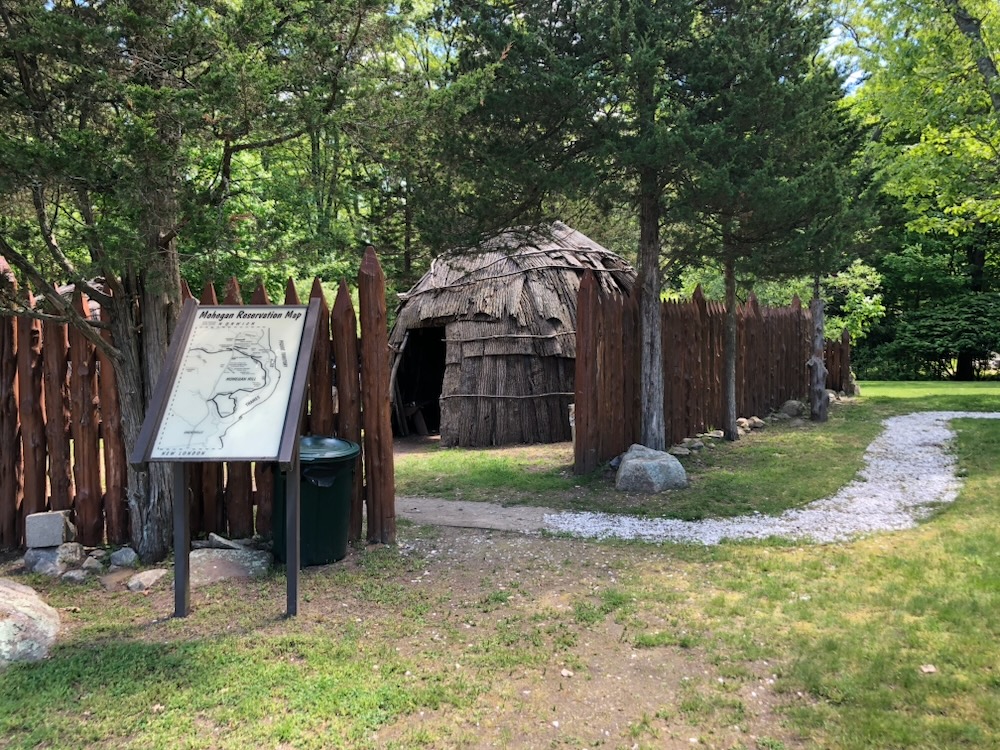
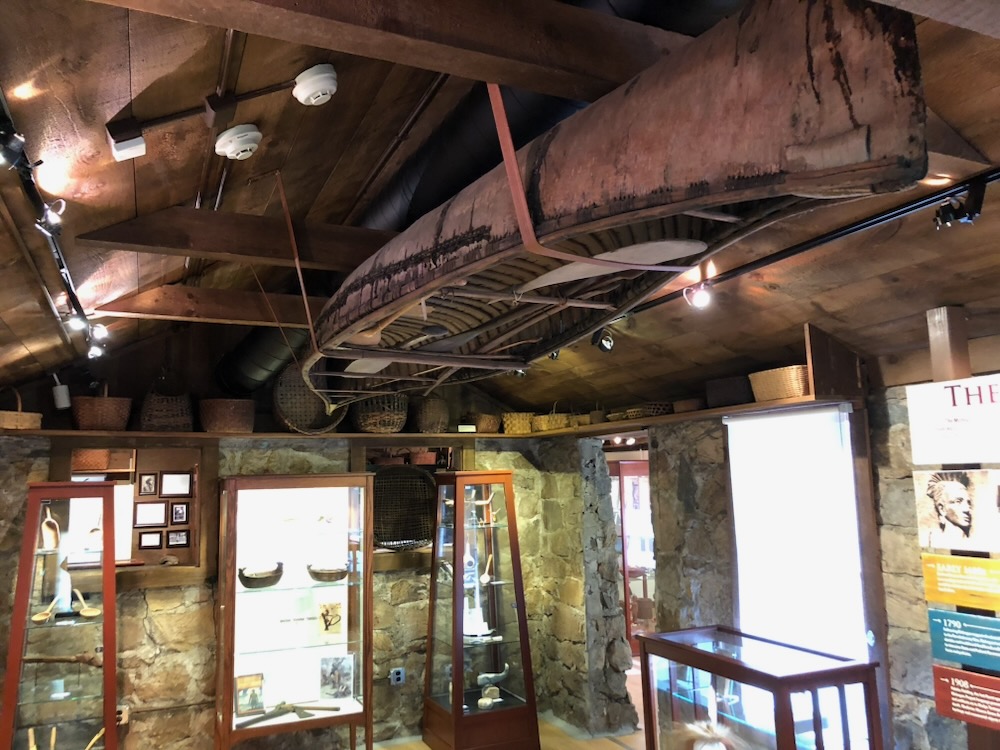
And I love that it is small. It is homey. Rustic. No bells and no whistles. (And, no visitors other than me, but that’s okay. This museum is free and helmed by volunteer docents, often of Mohegan descent.) The Tantaquidgeon is surrounded by a stockade fence and sits upon what is locally known as Mohegan Hill. Outside there are garden mounds, bark-covered wigwams, and a massive dugout canoe.
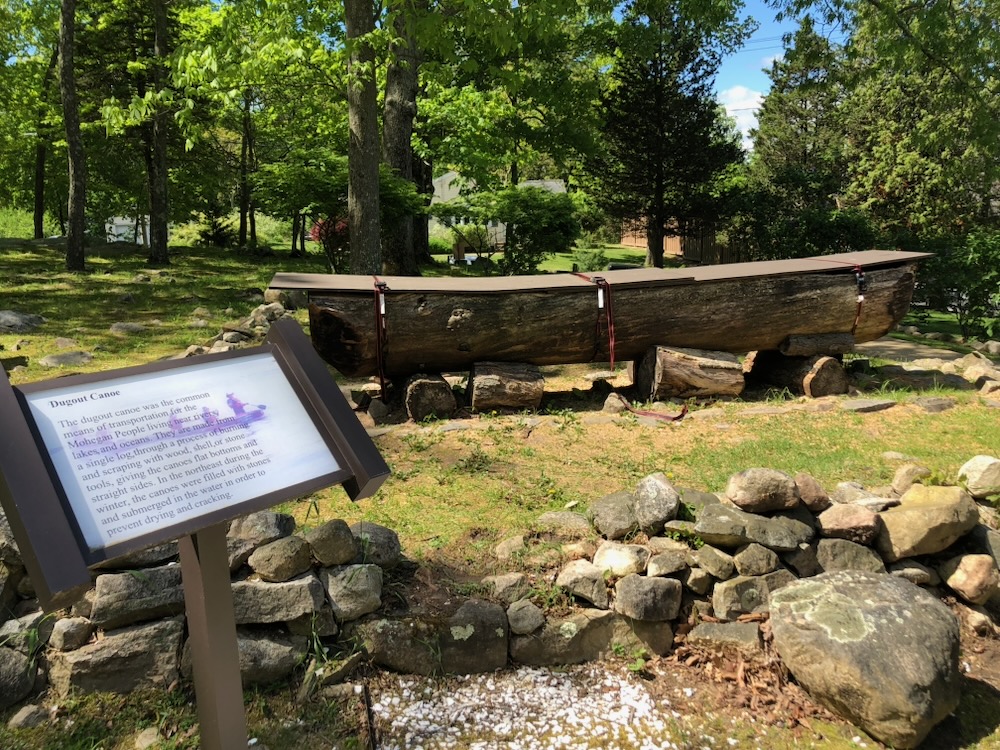
The canoe was covered by some protective board above for reasons I do not know.
Let’s go inside.
The building is officially made up of three rooms, though they all kind of seem like one. The small collection here tells the story of New England tribes through a mix of centuries-old artifacts, story-telling, and Gladys.
Gladys? Yes, Gladys. Daughter of John, sister of Harold. Gladys Tantaquidgeon. This Gladys:
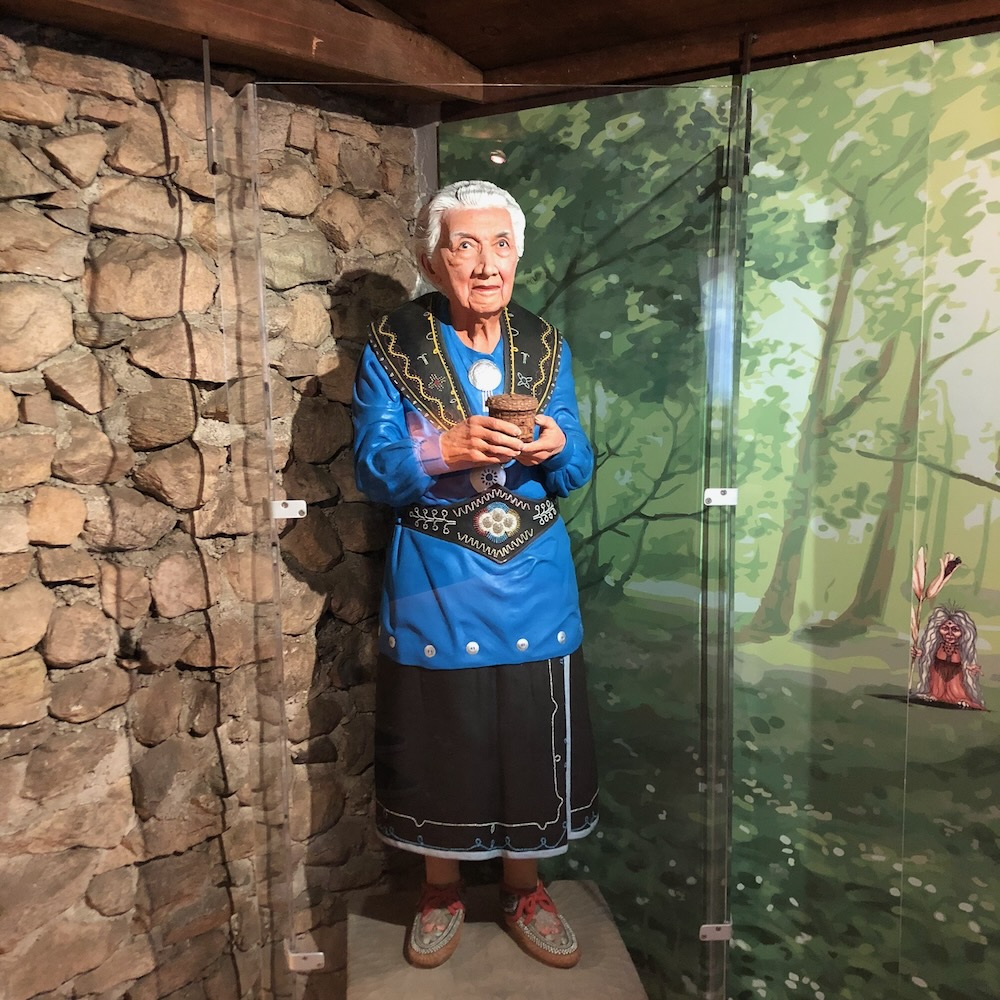
Gladys Tantaquidgeon carved out of basswood
What a woman!
Gladys Iola Tantaquidgeon was a Mohegan medicine woman, anthropologist, author, tribal council member, and elder Mohegan. And more. Much more.
Gladys was born right here on Mohegan Hill in 1899 And proceeded to live the next 106 years.
Educated in tribal spirituality and herbalism by her “grandmothers” Lydia Fielding, Mercy Ann Nonesuch Mathews and Emma Baker, Gladys briefly attended grammar school before entering the University of Pennsylvania in 1919, where she studied with Anthropologist Frank Speck and wrote in the field of anthropology.
She expanded her Mohegan pharmacopeia by researching herbal medicine among related east coast tribes, including the Delaware, Nanticoke, Cayuga and Wampanoag. In 1987, she received an honorary doctorate from the University of Connecticut and one from Yale in 1994. Her other honors include the Connecticut Education Association’s Friend of Education Award, the Connecticut Women’s Hall of Fame, the National Organization for Women’s Harriet Tubman Award and numerous Native American honors.
She wrote a bunch of books and treatises on Native traditional medicine and practices. Beginning in 1934, Tantaquidgeon worked with the Bureau of Indian Affairs for more than a decade, including several years among western Native American tribes. (Shortly before that, of course, she help create this museum.)
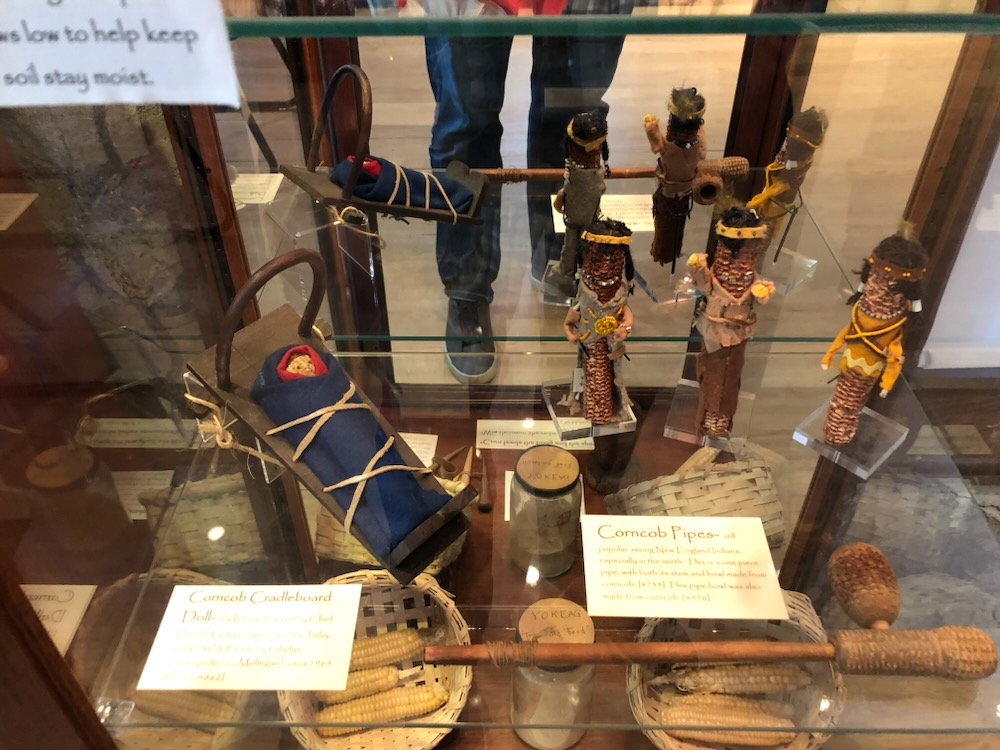
Her meticulous record keeping with tribal members throughout the 20th-century proved pivotal in winning Mohegans their federal recognition. She alone kept certain traditional practices alive as a living tie from the 21st to 19th centuries; things like the Ghost Dance and the Sun Dance that the US Government had banned.
Which makes me angry to write.
Gladys ended her government service in 1947 and worked at this museum for the next 50 years before taking a step back in 1998. (Mohegans got their recognition in 1994.) Believe it or not, I’ve only scratched the service of Ms. Tantagquidgeon’s accomplishments and accolades.
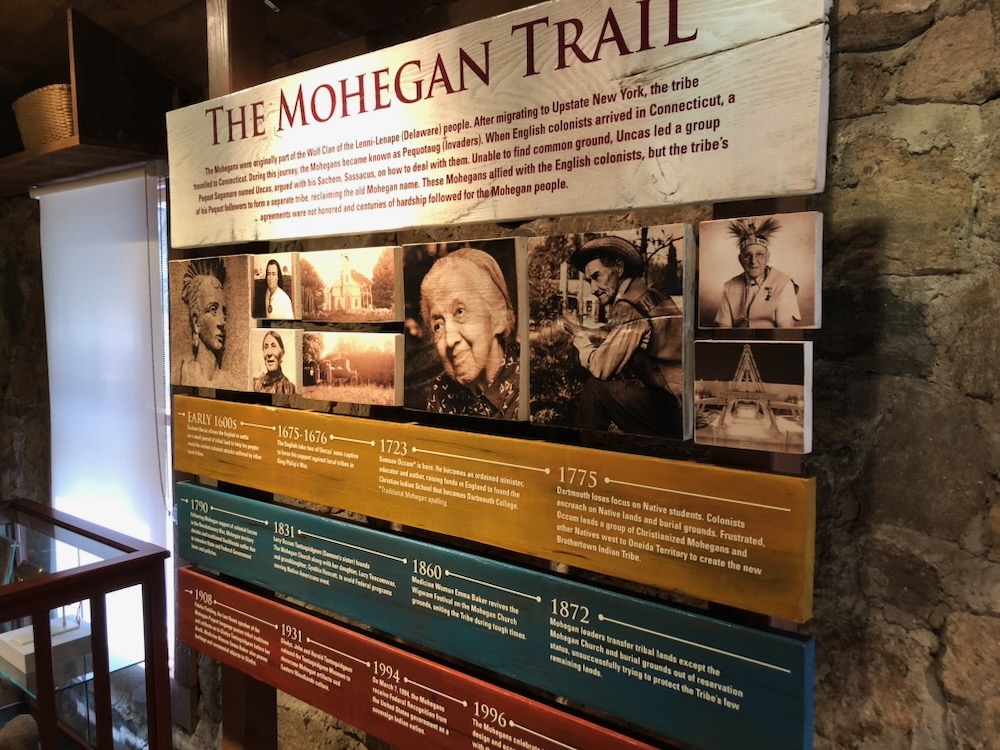
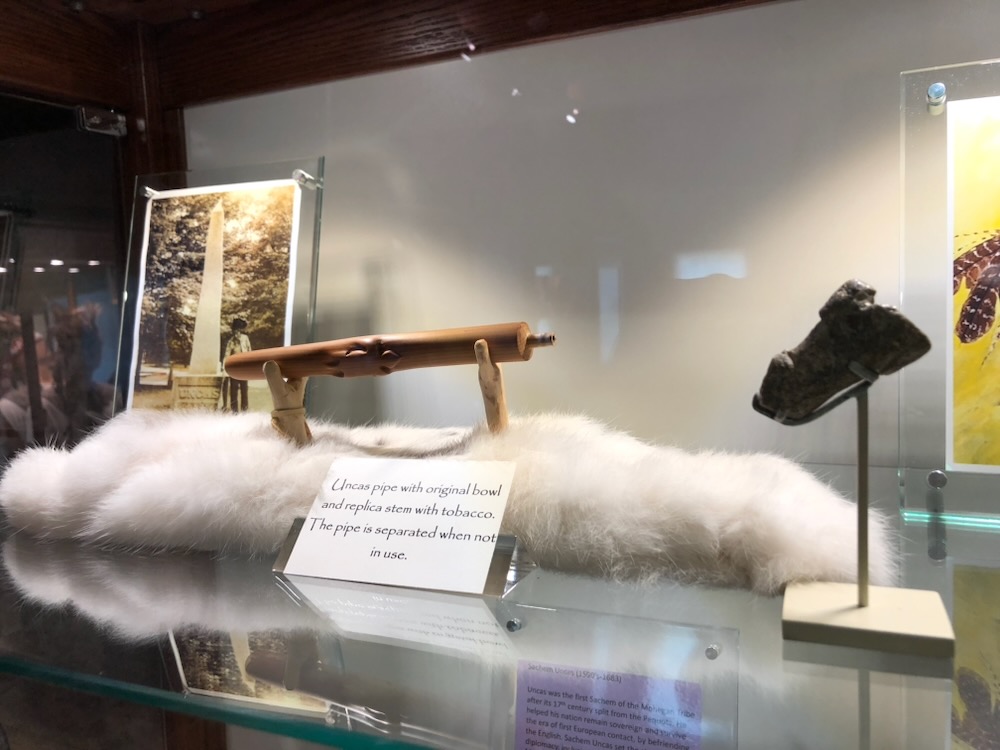
I don’t have pictures of many of the truly old artifacts the museum holds. But there are several historic relics here from the 16 and 1700’s. Like a bowl said to be owned by Chief Uncas himself – a shallow elongated oval burl bowl with carved effigy handles on each end that resemble wolf heads. Used for serving succotash, the bowl has cracks on each side that have been previously mended with wire.
The Native American Graves Protection and Repatriation Act (NAGPRA), passed into law in 1990, requires all museums and institutions who receive federal funds to compile lists of Native American items in their possession and notify the tribes of what they have. This bowl along with some other artifacts was unearthed while building “a highway” (probably Route 2) in 1957.
The museum has a whole section on the Makiawisug. Also known as “The Little People.”
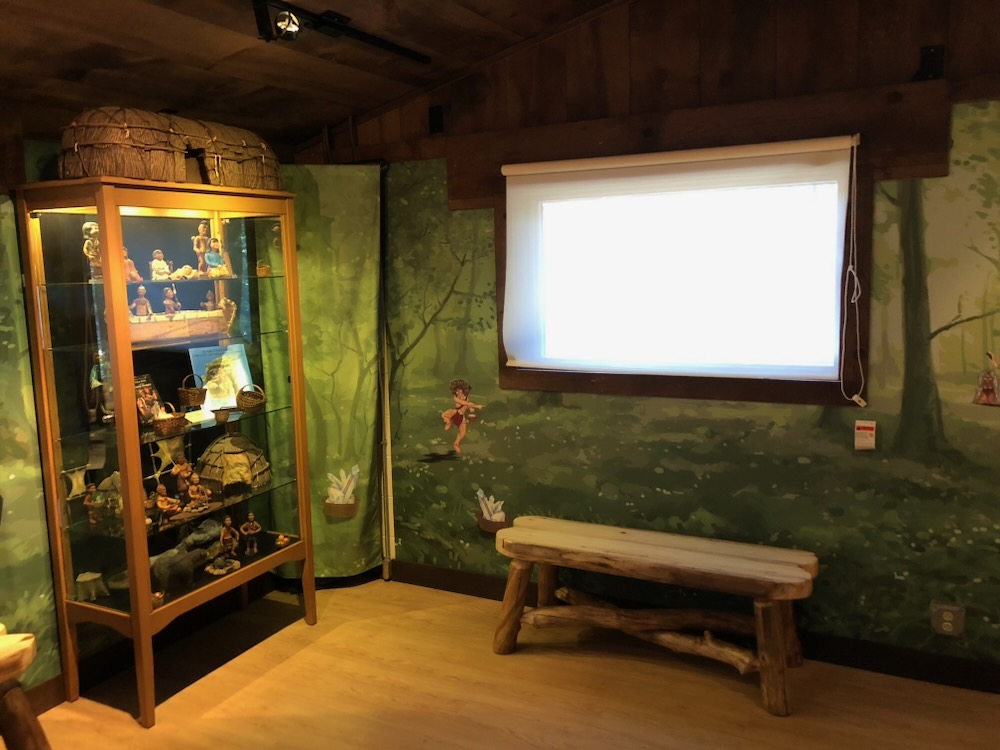
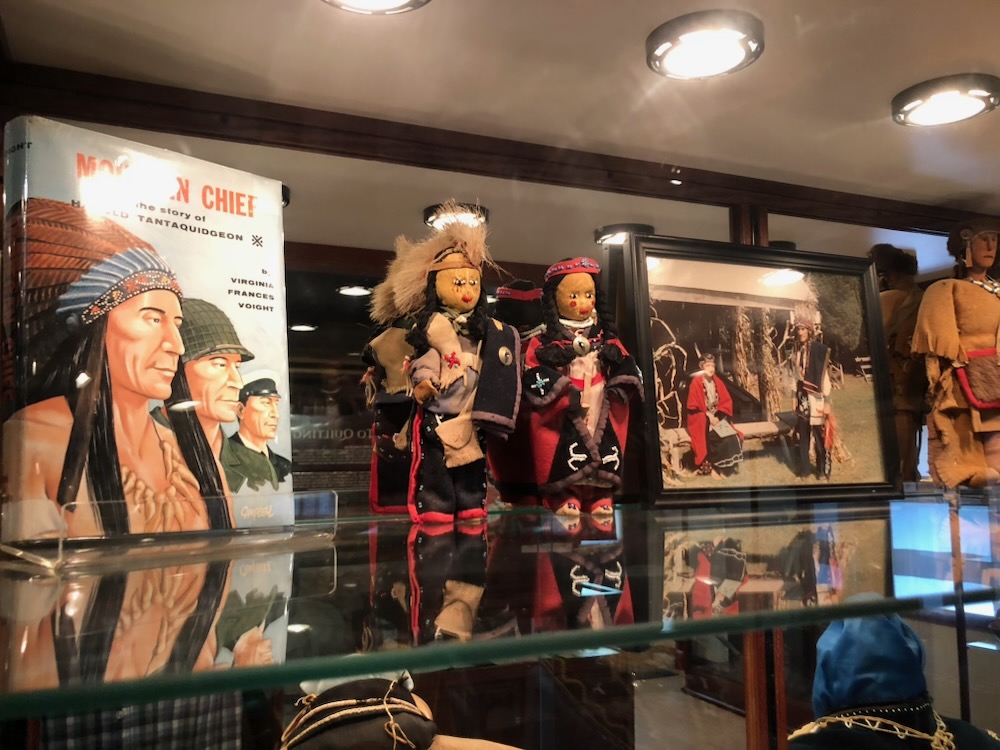
The rocks of Mohegan Hill are the home of the Makiawisug, or Little People. After nightfall, the call of the Whip-poor-will signals their arrival. They are good spirits, but the Mohegans know they must be treated with respect, according to tradition. It is important to leave baskets of food, such as corn cakes and berries, or even meat in the woods for them. Wearing moccasin flowers for shoes, they gather the gifts at night. In fact, Makiawisug means “whip-poor-will moccasins.”
They have their own rules of etiquette. Those who see the Little People should not look directly at them, they think it’s rude. If they catch you staring, they might point a finger at you, rooting you to the ground, while they take your belongings. Another rule is don’t speak of them in the summer, when they are most active.
But in return for kindness, they taught the Mohegan people how to grow corn and use healing plants. They keep the earth well and grant favors for those who honor their ways.
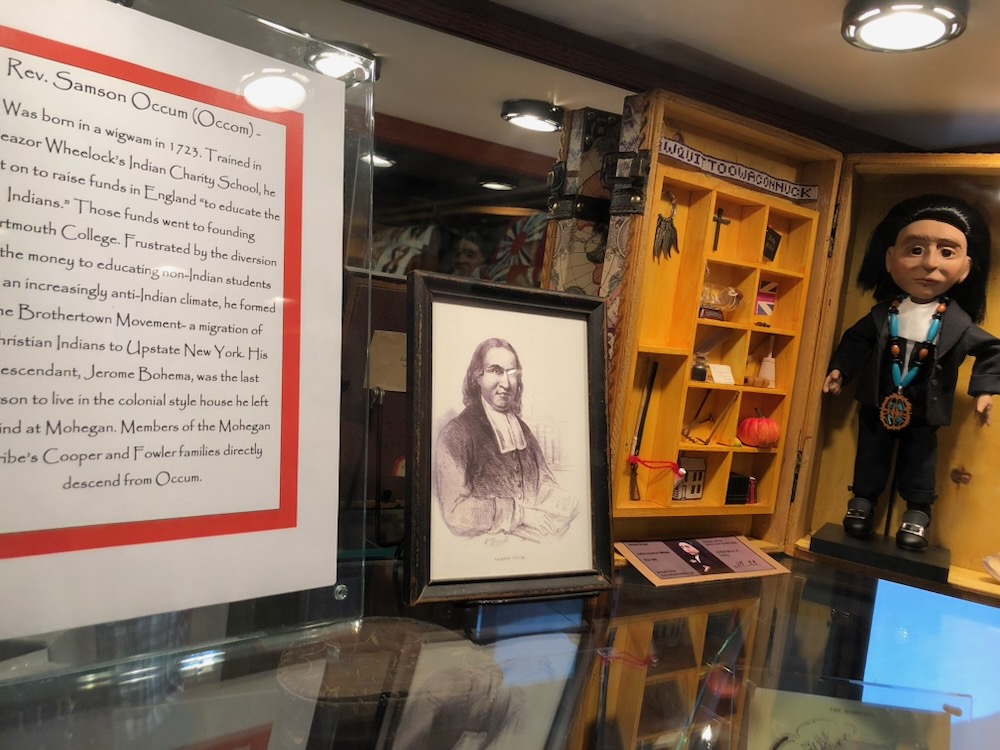
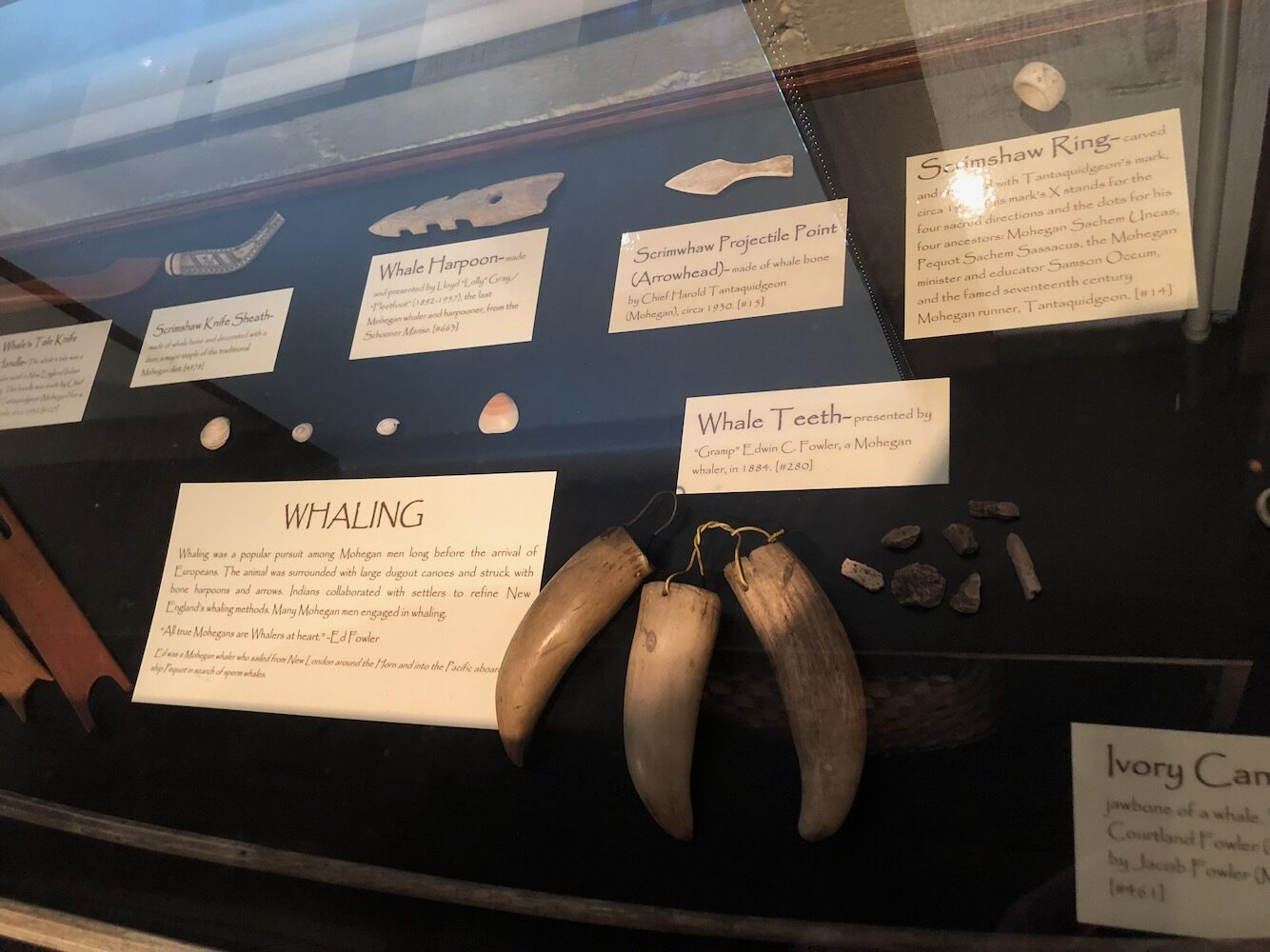
Mohegans would leave out “little people baskets” for them, and the museum has a few. This is one of those traditional practices that just sounds little too cutesy and I’m sure white people eat it up – however, underneath the superficial story is a respect for nature that lies at the heart of Native practices. A respect that is all but gone today.
So let’s all do this. Visit this little museum. Visit it slowly. Take some time to think about what it took for Gladys Tantaquidgeon to attend Penn, work for a government that obliterated her peoples, almost singlehandedly preserve a culture, and what the heck, live 106 years. Take a moment to think about the Makiawisug and do something that Gladys would appreciate.
You’ll be Glad about dys, I promise.
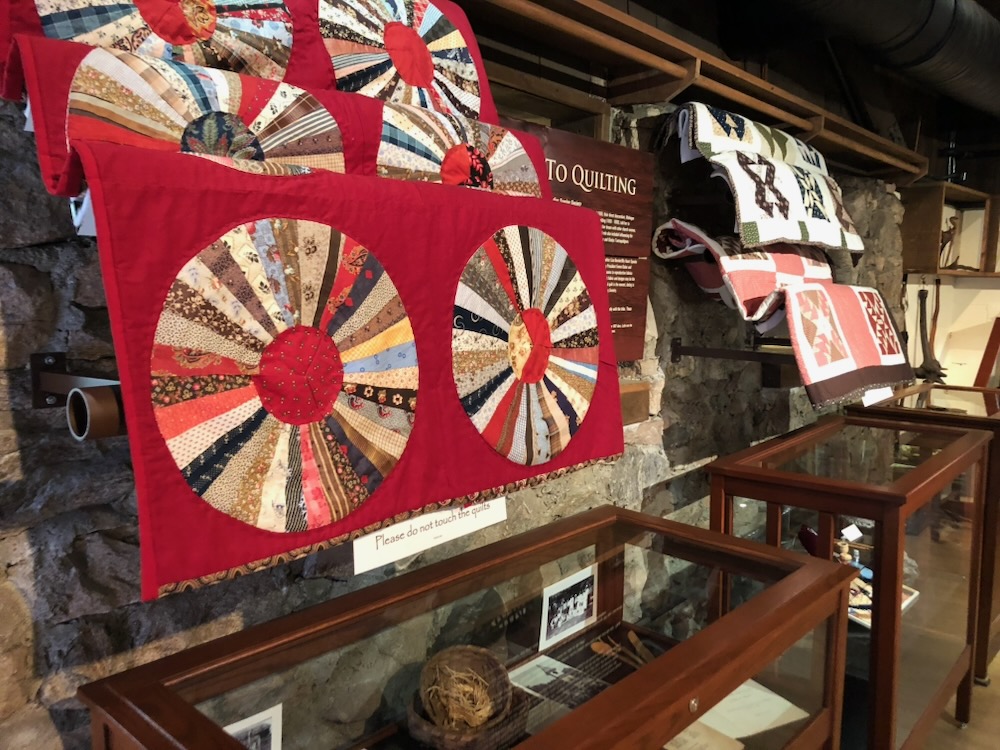

Tantaquidgeon Museum
CTMQ’s Museum Visits
CTMQ’s List of US Oldests



Leave a Reply