
Hard Hittin’ Art
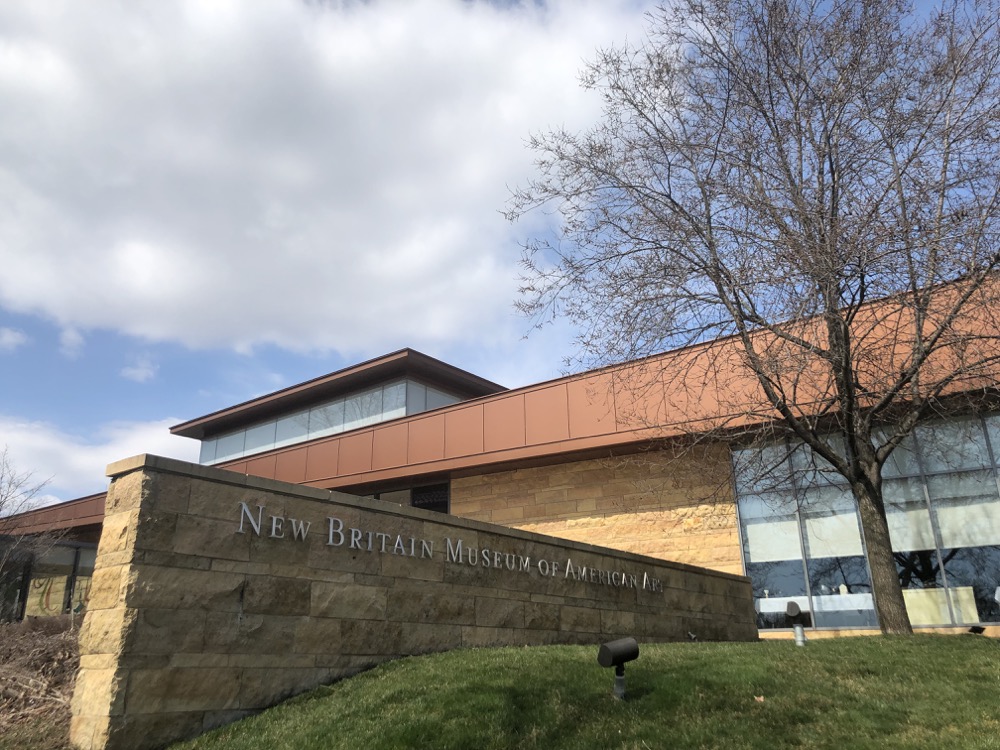
New Britain Museum of American Art, New Britain
April 2019
The NBMAA is part of the Connecticut Art Trail and is also a US First and a “See before you die” place. If an artist isn’t credited, I don’t know who the artist was. My apologies.
Connecticut museum visit #410.
These are the pages I dread writing. The ones I am never remotely satisfied with in the end. I am not qualified, nor is this website the place to give the New Britain Museum of American Art its full due. The museum needs to be visited every few years, for decades, to fully appreciate it. It’s one of Connecticut’s true gems for sure.
So I’ll just start right off and say that the New Britain Museum of American Art is rather awesome. It’s not as big as the Wadsworth Atheneum or as endowed as the Yale art museums, but it’s pretty darn impressive all the same.
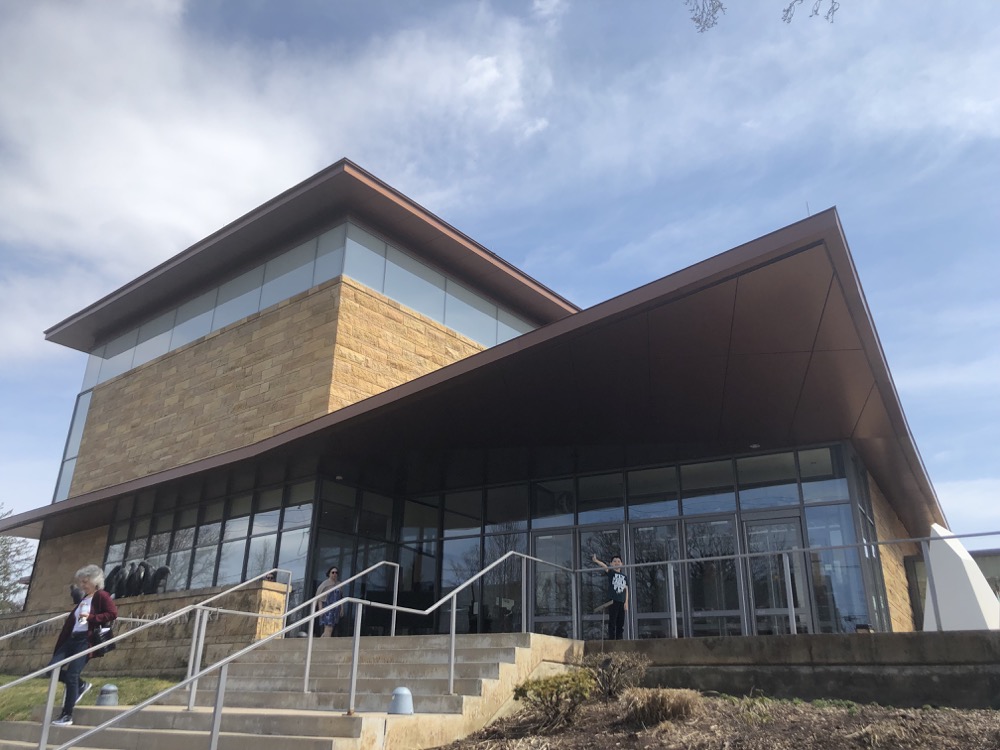
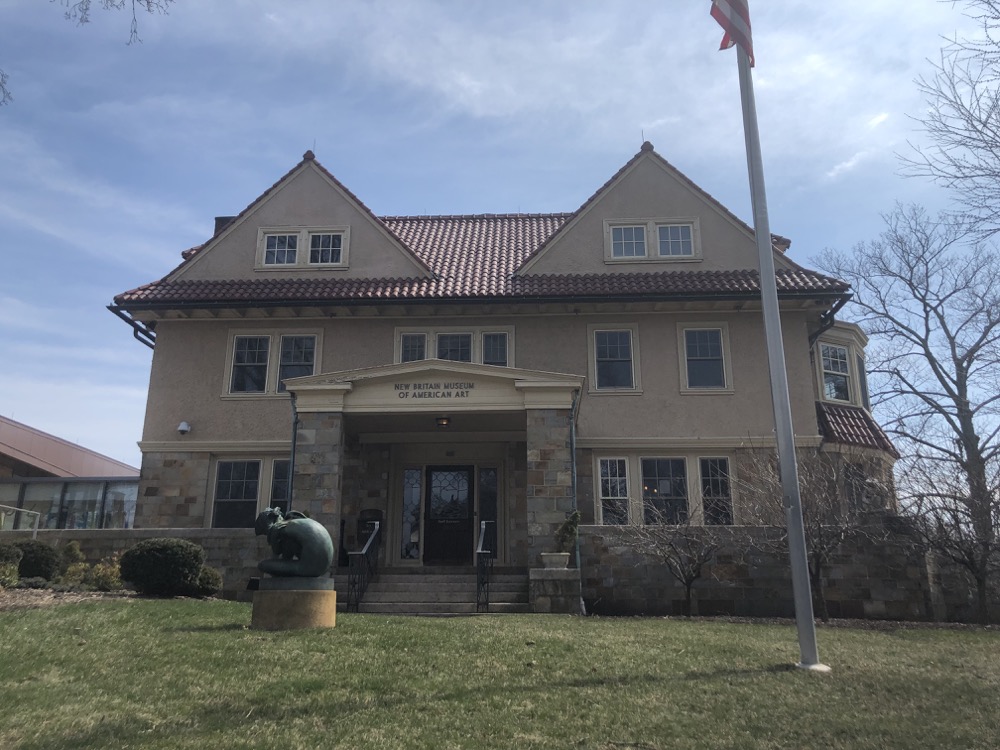
And it’s historic! Again, perhaps deferring to the even more historic Wadsworth in Hartford, but still… its founding in 1903 entitles the institution to be designated the first museum of strictly American art in the country. Whoa. Take that every old museum from Boston to DC. That superlative’s home is right here in Hard Hittin’ New Britain, Connecticut.
I suppose it’s fair to ask, “how? Like, seriously, how is that true?”
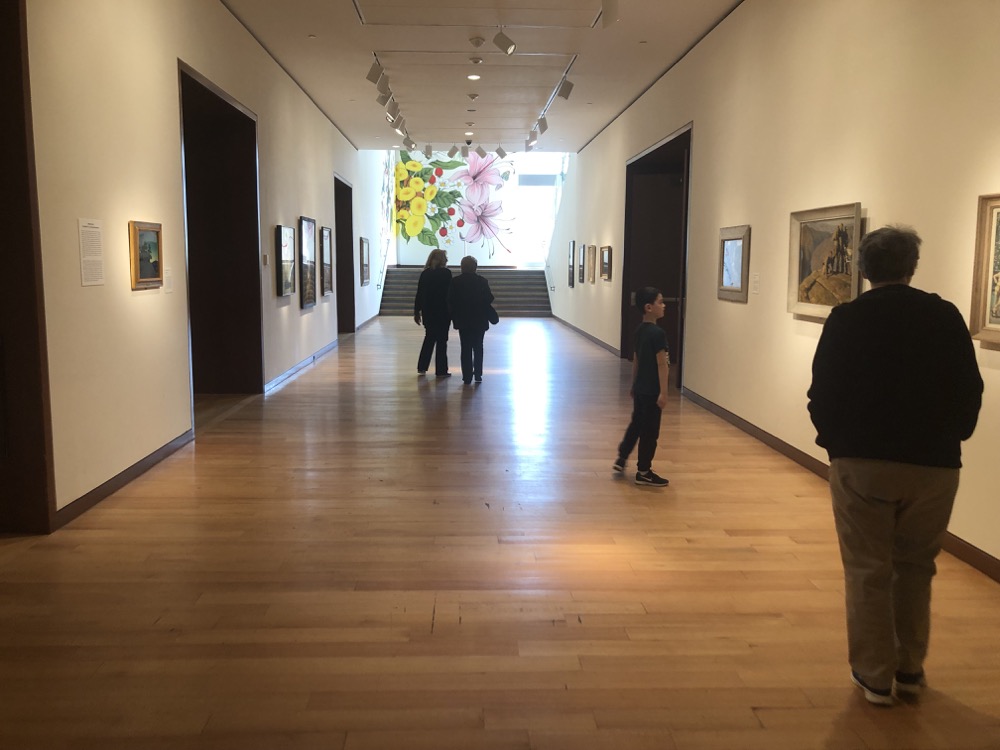
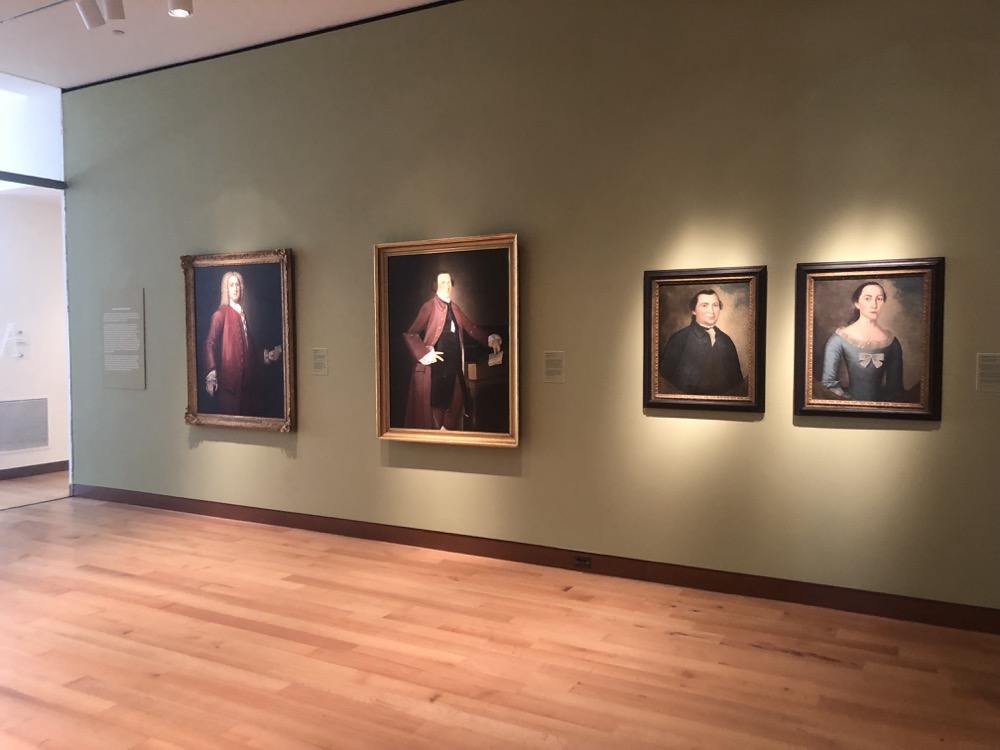
[in 1903], a $20,000 gift of gold bonds to the Museum’s former parent, the New Britain Institute, from industrialist John Butler Talcott, created funds to purchase “modern oil paintings.” Subsequent purchases, with advice from New York museums and galleries, further defined ”modern” to mean American works of art, now numbering more than 8,300. With particular strengths in colonial portraiture, the Hudson River School, American Impressionism, and the Ash Can School, not to mention the important mural series The Arts of Life in America by Thomas Hart Benton, the Museum relies heavily on its permanent collection for exhibitions and programming, yet also displays a significant number of borrowed shows and work by emerging artists. The singular focus on American art and its panoramic view of American artistic achievement make the New Britain Museum of American Art a significant teaching resource available to the local, regional, and national public.
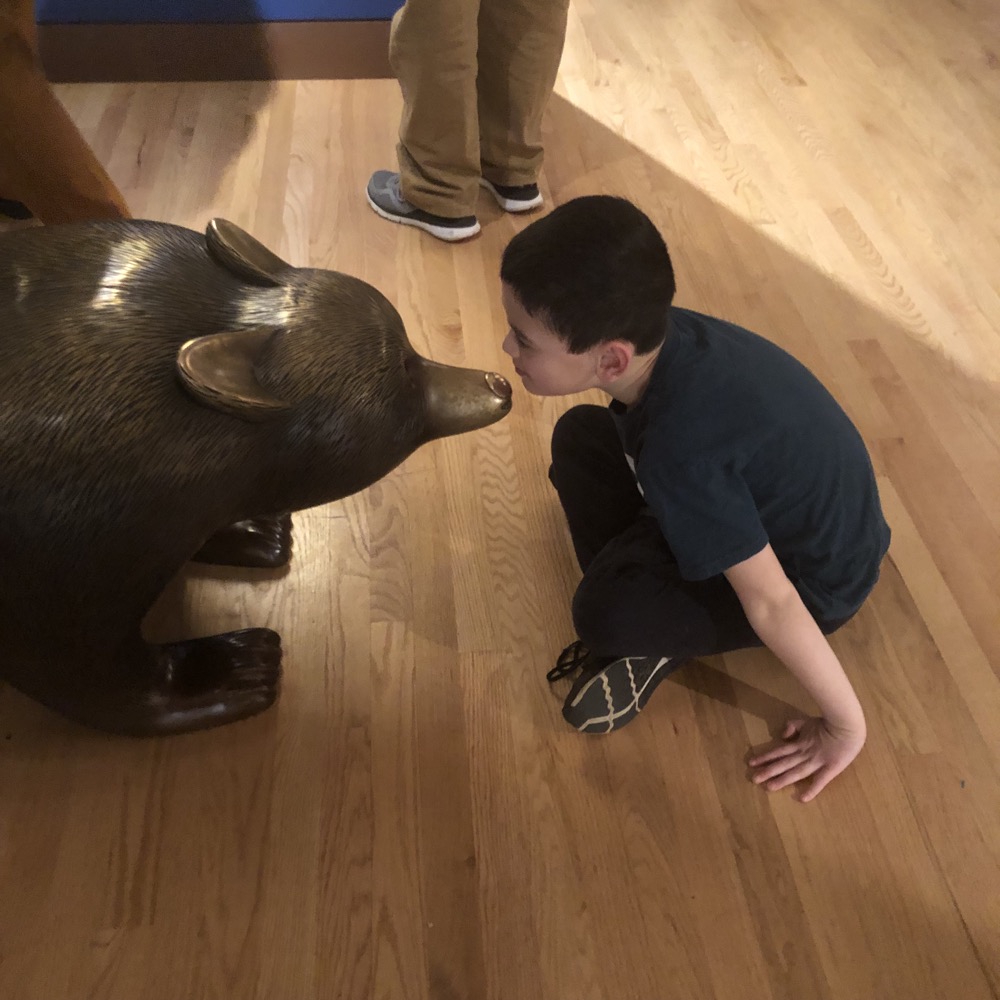
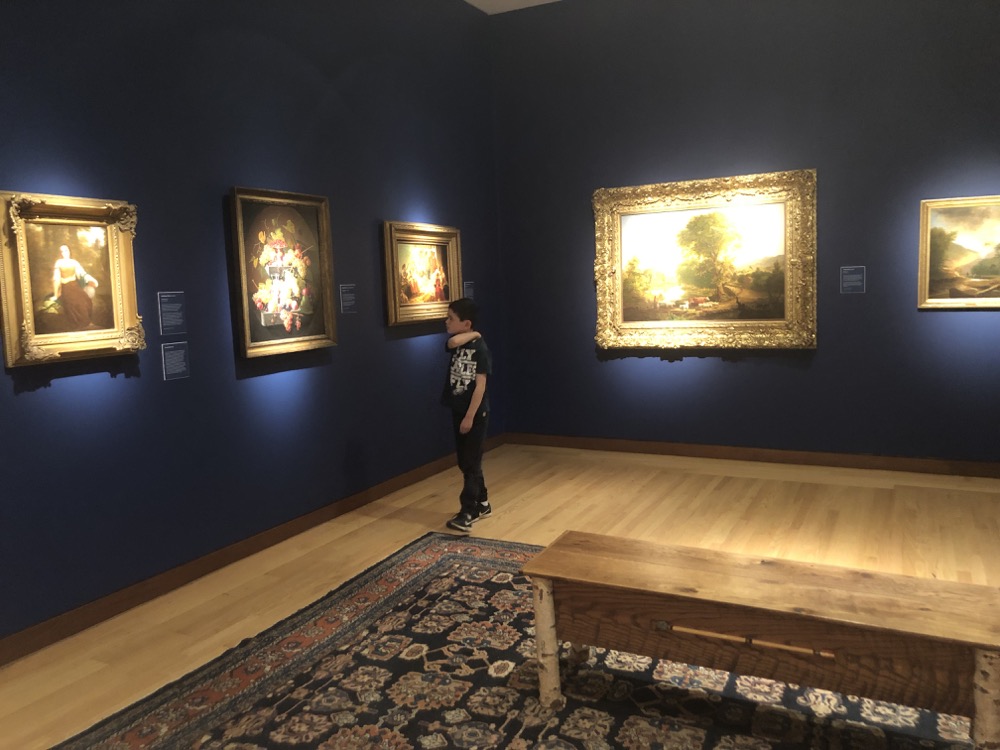
Speaking of historic, my mother joined Calvin and me on the visit I’m chronicling here. (Sorry, mom, had to do it.) I’ve been here a couple other times, but this is the one I took all the bad pictures I’m known for. My elusive mother appears on one other CTMQ page: as a shadowy figure in the foreground in one picture from the Haddam Shad Museum visit in 2009.
And really, what else can I say? It’s a really nice art museum. And you all know what art museums are like, right? Proper lighting, high ceilings, old paintings, overpriced gift shop… And that’s my challenge in writing this page.
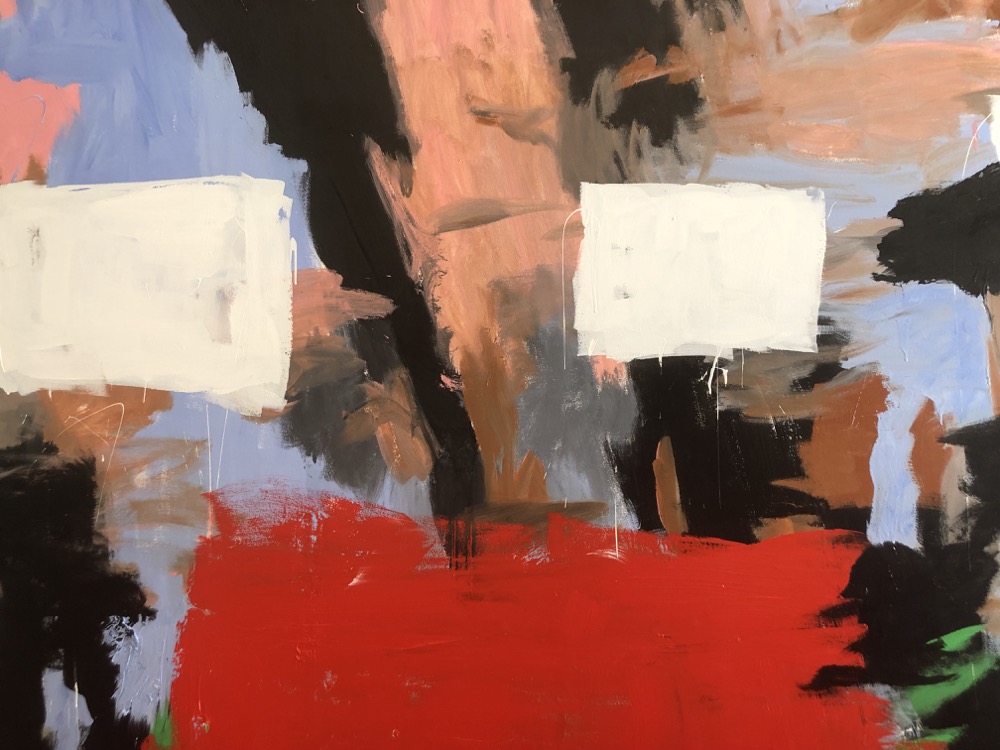
Not sure… Robert Rauschenberg paining maybe?
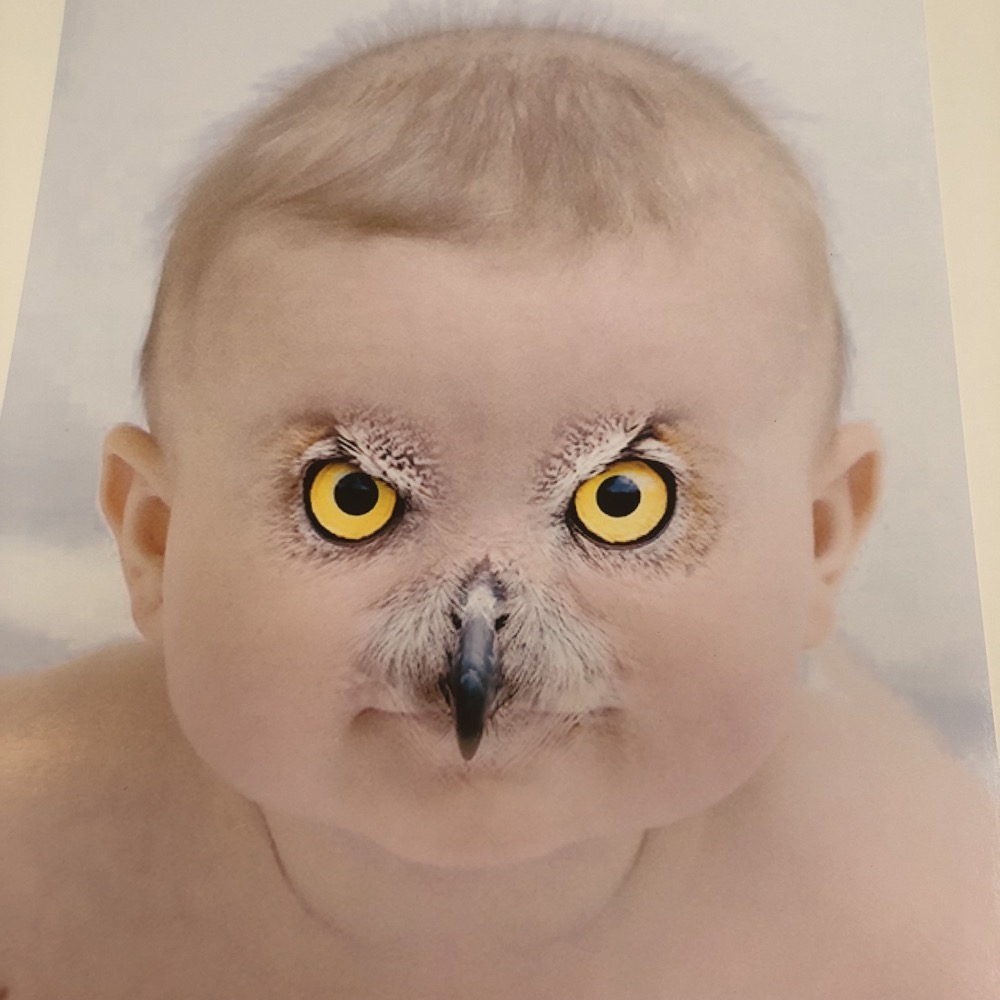
This is a Photoshop by Nicole Kolc, a 9th grader at Plainville High School. Remember, this is years before AI made this stuff easy… and this is just cool.
So let’s turn to what the venerable museum has to say for itself. Firstly, how did this place come to be and how to it come to be in New Britain?
The Museum of American Art traces its roots to the New Britain Institute, an organization established in 1853 by city founders to foster learning in a community of new immigrants. Housing a library, a children’s room, and a history room, the Institute began to acquire American artwork as early as 1894. Museum and city leaders forged the nation’s first standalone Museum dedicated to the work of American artists, with an acquisition fund started by John Butler Talcott in 1903.
The museum maintains the historic library and history room, which is pretty cool. If a museum is the first of its kind, I think it’s important to highlight its beginnings like this and not lose sight of that fact. It’s part of the museum but also has an entirely separate feel to it. You may notice that my younger son Calvin was at the age where he’d pose in subtly funny poses, in which he displays such awe and wonder at things in museums. I very much enjoy this stage of his life.
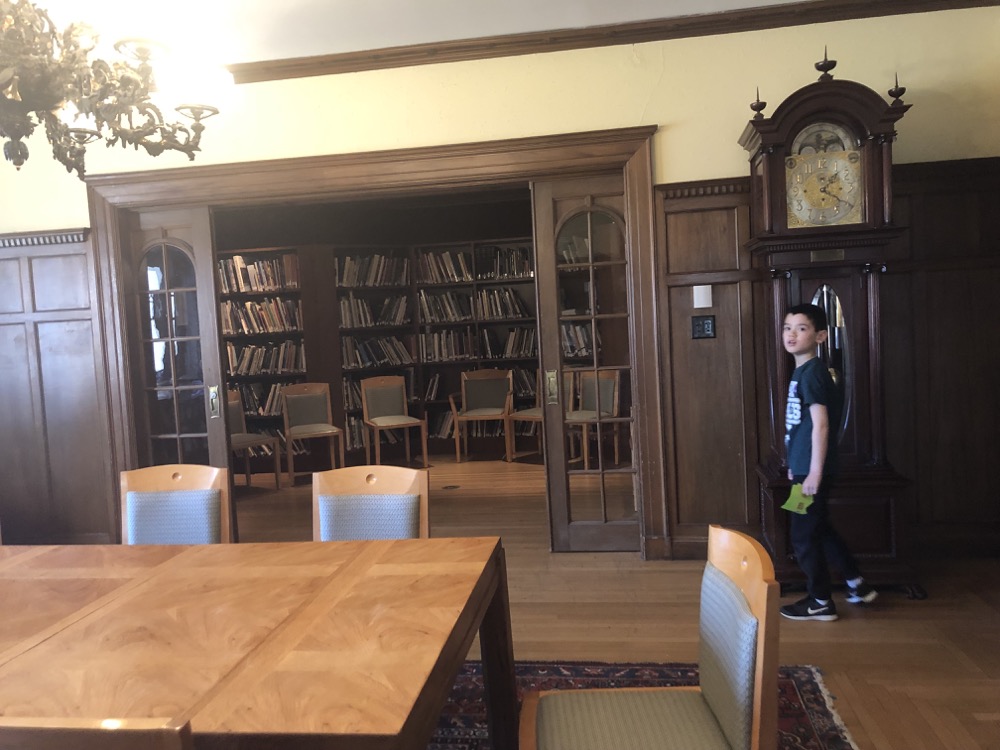
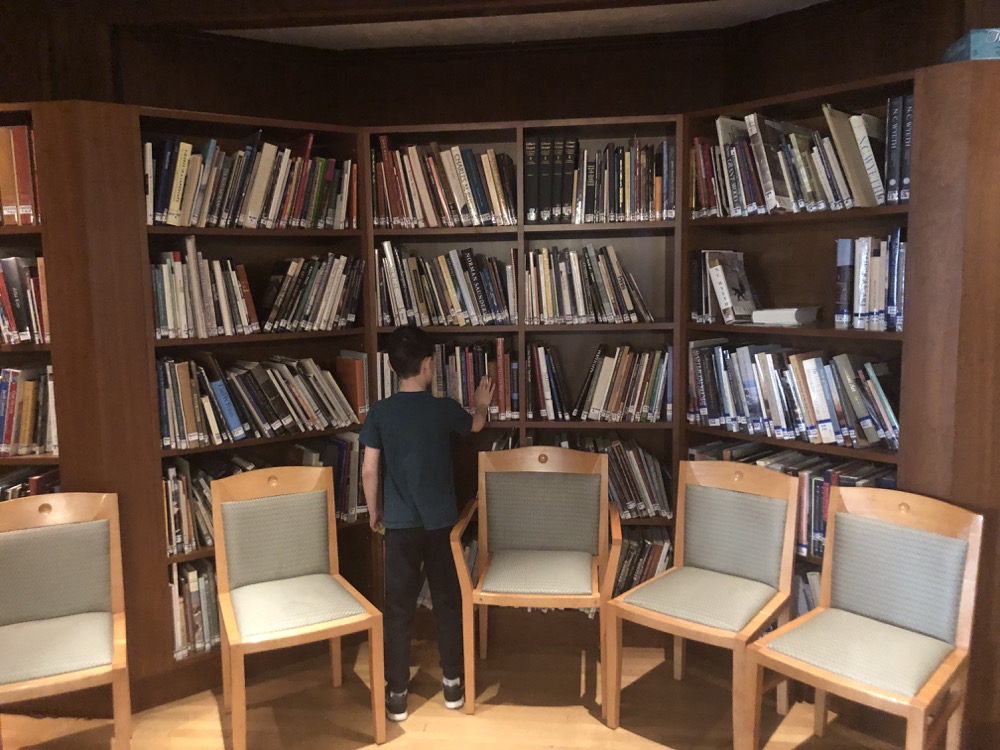
So I guess it’s place as the first museum dedicated to American art just kinda sort happened. It doesn’t seem it was an intentional thing as much as a “let’s create a great collection of art that happens to be all works of Americans.
New Britain philanthropist Grace Judd Landers left her mansion on Lexington Street to the New Britain Institute upon her death in 1934. The newly renovated Art Museum of the New Britain Institute opened its doors to the public on July 1, 1937, in its new home—Landers House. Beginning in 1937, local artist Sanford (“Sandy”) Low was tasked with organizing a dynamic roster of exhibitions featuring regional and nationally celebrated artists to increase the Museum’s audience. He became the Museum’s first director.
In 1950, New Britain industrialist and philanthropist Alix W. Stanley donated $40,000 for the construction of a new wing and provided funds for the purchase of nearly 280 artworks over several decades.
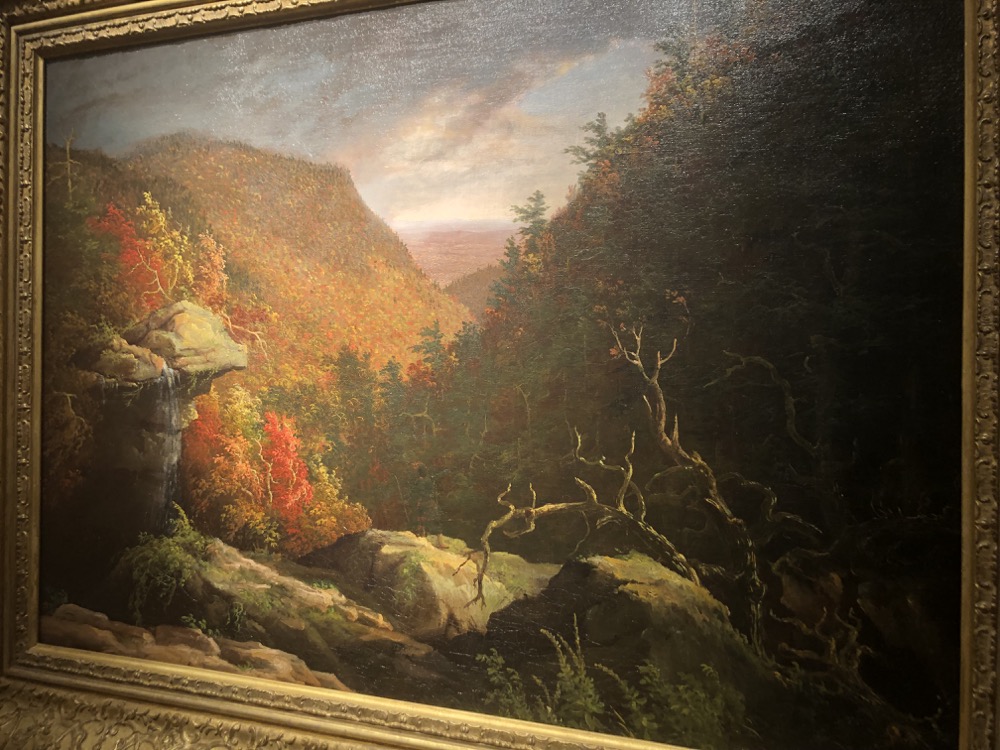
The Clove, Thomas Cole (Hudson River School)… He was English, by the way, but settled in America
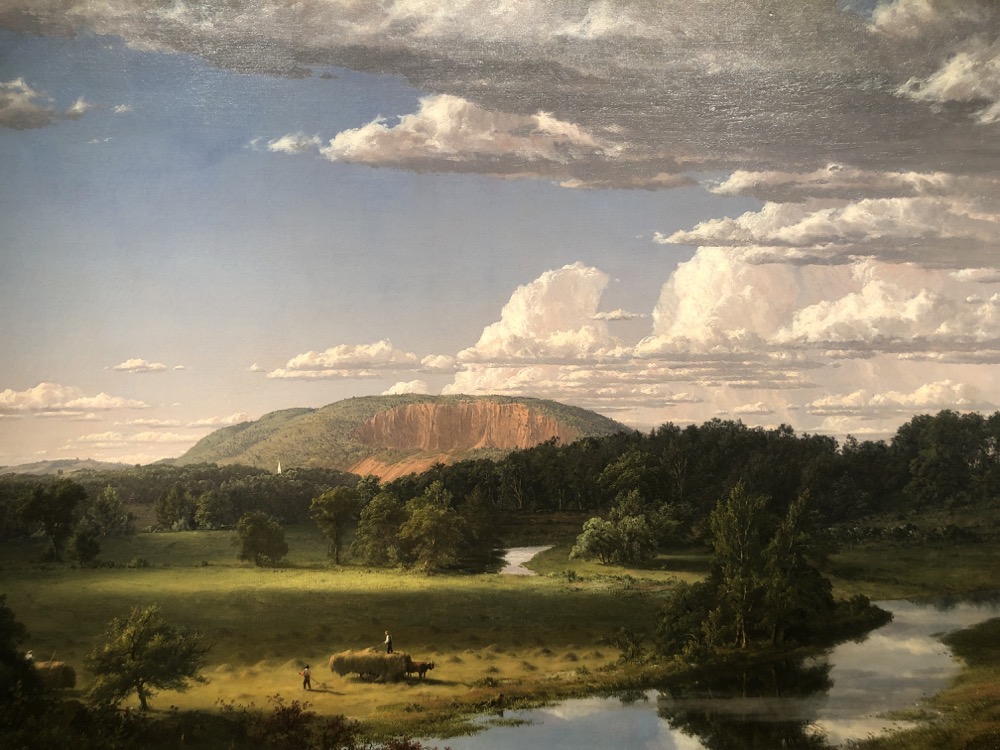
You all know where this is, right?
West Rock in New Haven! A painting by Frederic Edwin Church, who was a student of Cole’s.
Lots of famous New Britain names there! Landers from Landers, Frary & Clark, a New Britain company which manufactured cutlery! The company was known for such products as the Universal Food Chopper/Grinder. A Landers married Grace Judd, the daughter of Loren F. Judd, of North & Judd, a company which manufactured saddlery hardware! And of course a Stanley from the iconic Stanley Works. (The companies feature prominently in the New Britain Industrial Museum, by the way.)
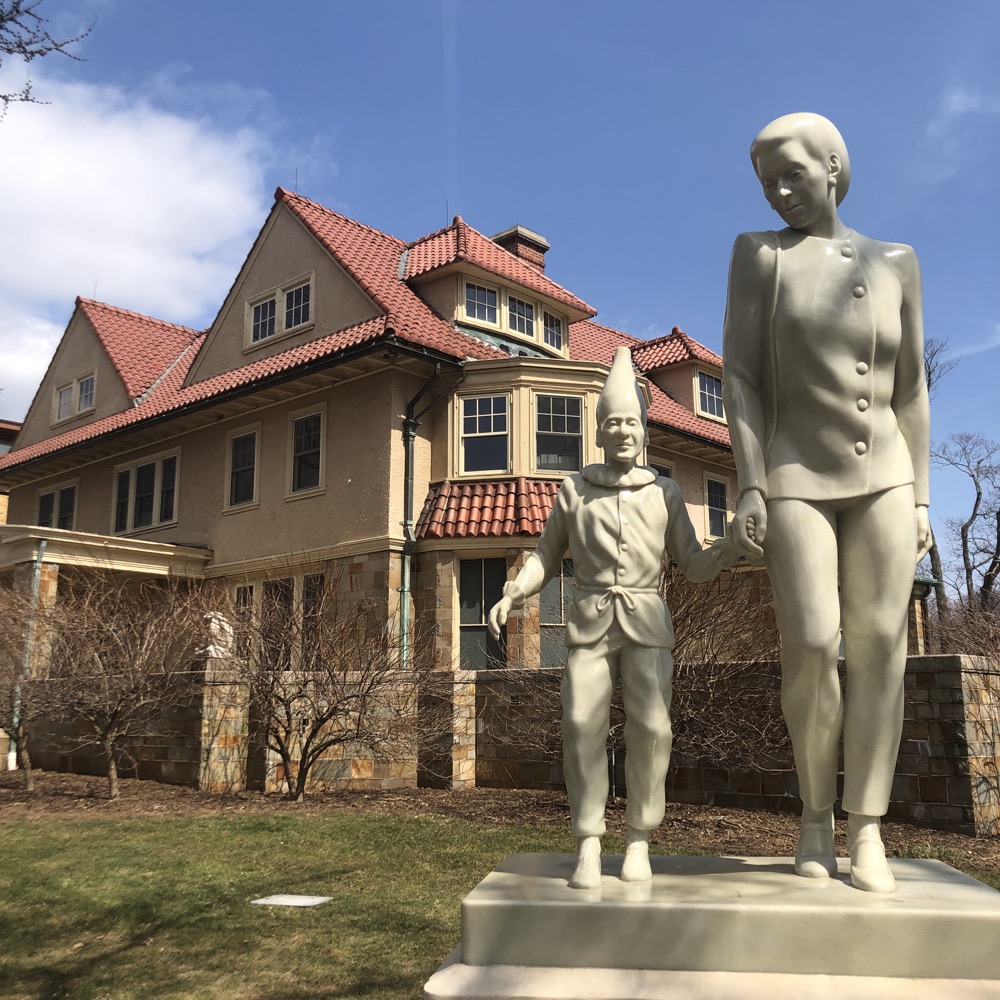
So the “old” part of today’s museum is the Landers house. The name changed to what it is today in 1994 and in 2007, a new museum building was opened, connected to the Landers House. (Since my visit in 2019, the Landers House was renovated again and now includes a lounge, a more thought-out makerspace, and the library seen above has been updated.
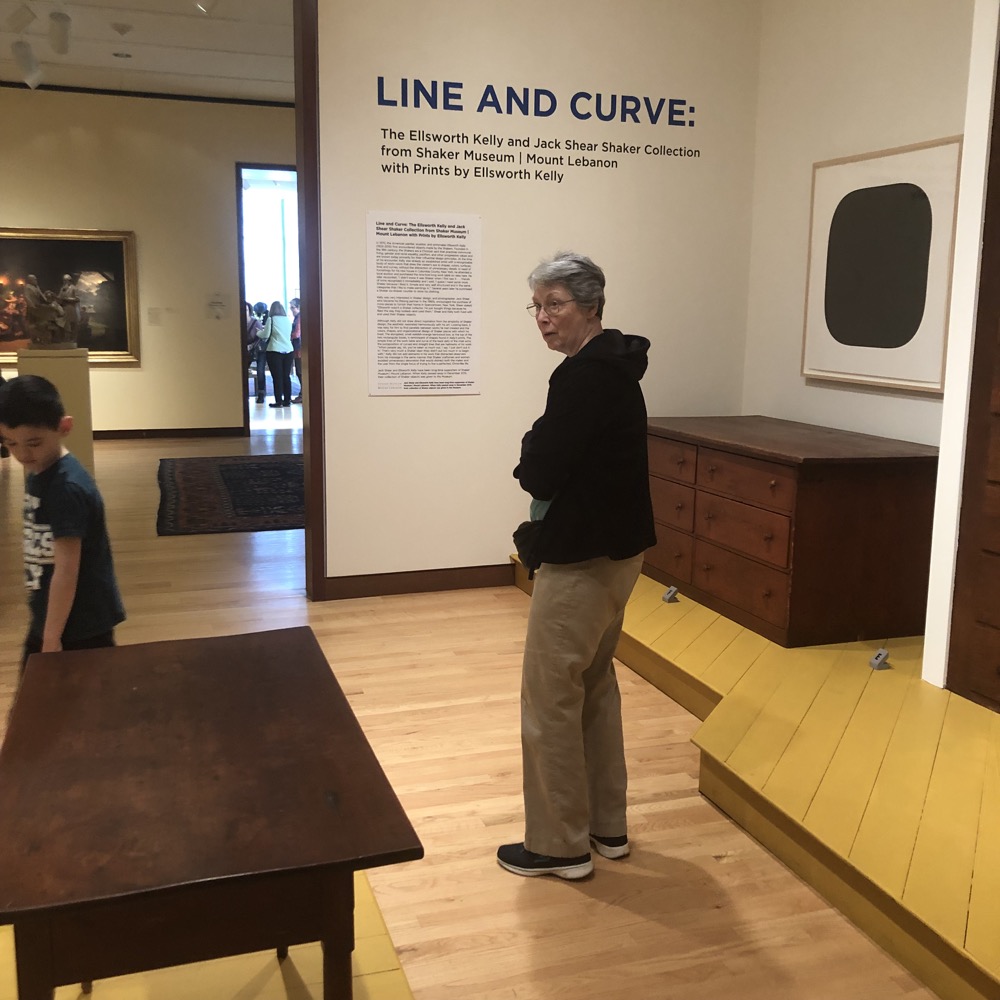
Mom CTMQ having her brain melted in a room that mixed Shaker furniture (which I’m sure she likes) and Ellsworth Kelly whose work I’m sure she hates
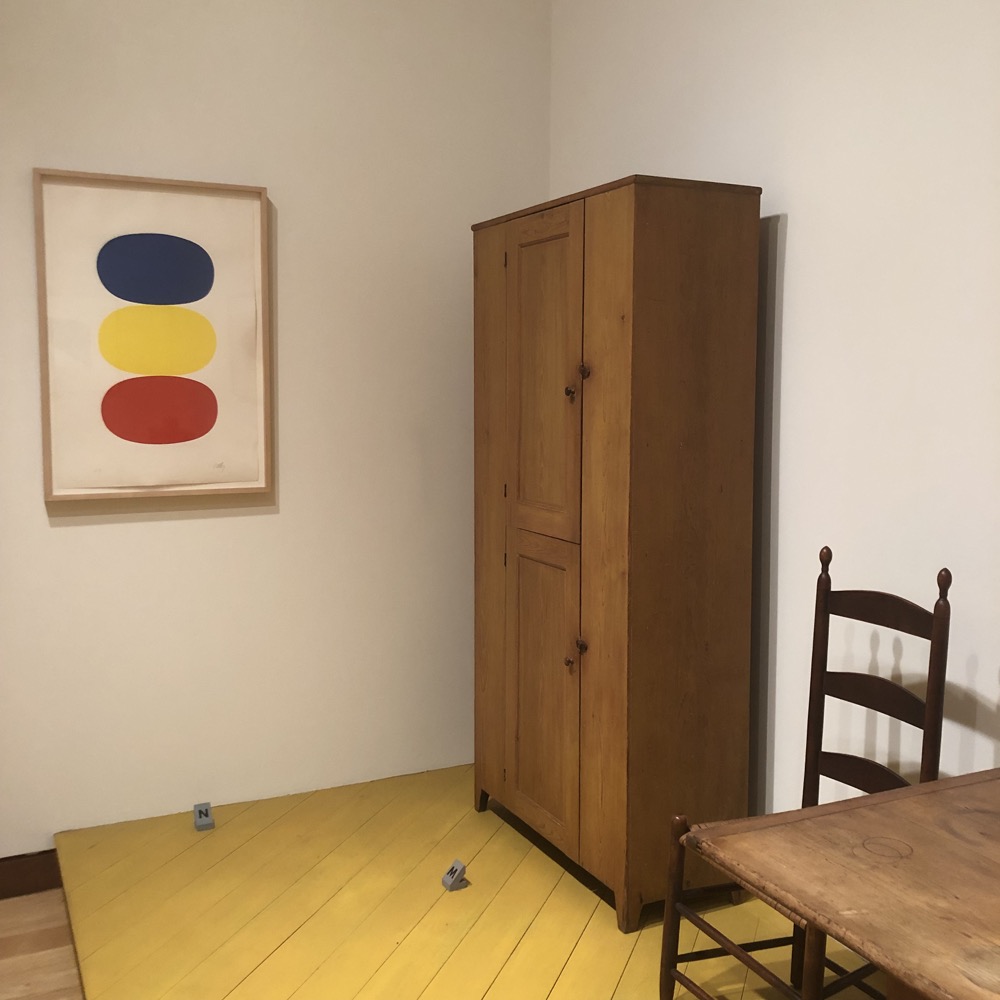
Kelly’s “Blue and Yellow and Red-Orange” along with some Shaker furniture.
In other words, the NBMAA is a vibrant, growing, and active museum… with a wildly impressive collection.
The NBMAA collection represents the major artists and movements of American art. Today it numbers about 8,274 paintings, works on paper, sculptures, and photographs, including the Sanford B.D. Low Illustration Collection, which features important works by illustrators such as Norman Rockwell, Howard Pyle, and Maxfield Parrish.
Among collection highlights are colonial and federal portraits, with examples by John Smibert, John Trumbull, John Singleton Copley, Gilbert Stuart, and the Peale family. The Hudson River School features landscapes by Thomas Cole, Asher B. Durand, Martin Johnson Heade, John Kensett, Albert Bierstadt, and Frederic Church. Still life painters range from Raphaelle Peale, Severin Roesen, William Harnett, John Peto, John Haberle, and John La Farge. American genre painting is represented by John Quidor, William Sidney Mount, and Lilly Martin Spencer. Post-Civil War examples include works by Winslow Homer, Thomas Eakins, John Singer Sargent, George de Forest Brush, and William Paxton, and 19 plasters and bronzes by Solon Borglum. American Impressionists include Mary Cassatt, Theodore Robinson, John Henry Twachtman, J. Alden Weir, Willard Metcalf, and Childe Hassam, the last represented by eleven oils. Later Impressionist paintings include those by Ernest Lawson, Frederck Frieseke, Louis Ritman, Robert Miller, and Maurice Prendergast.
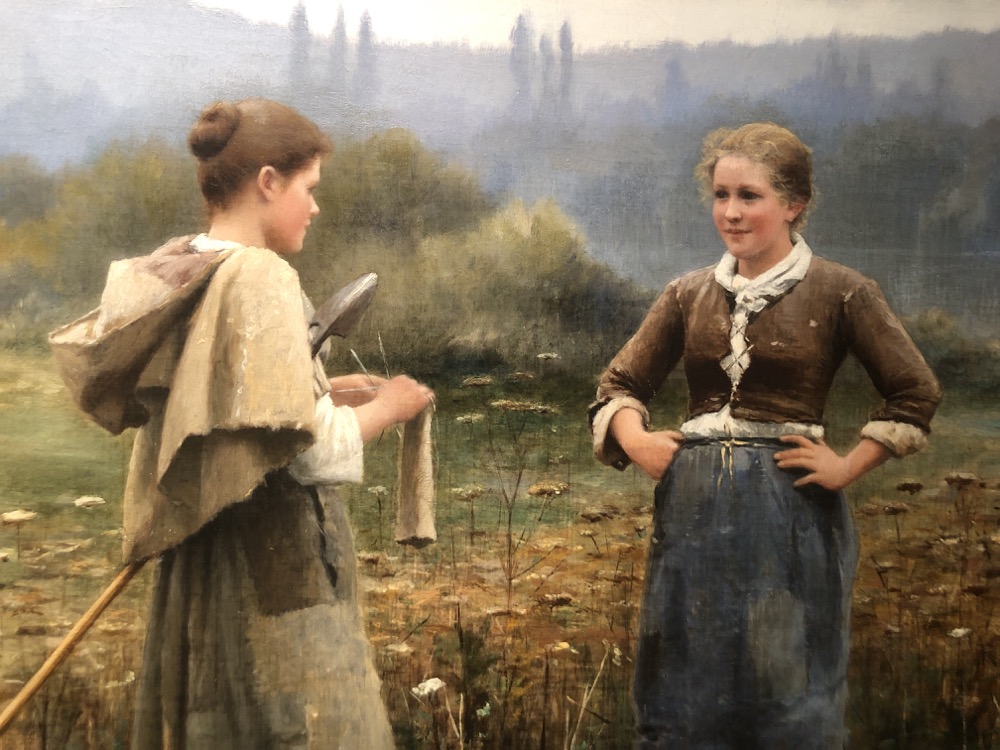
The Meeting by Daniel Ridgway Knight
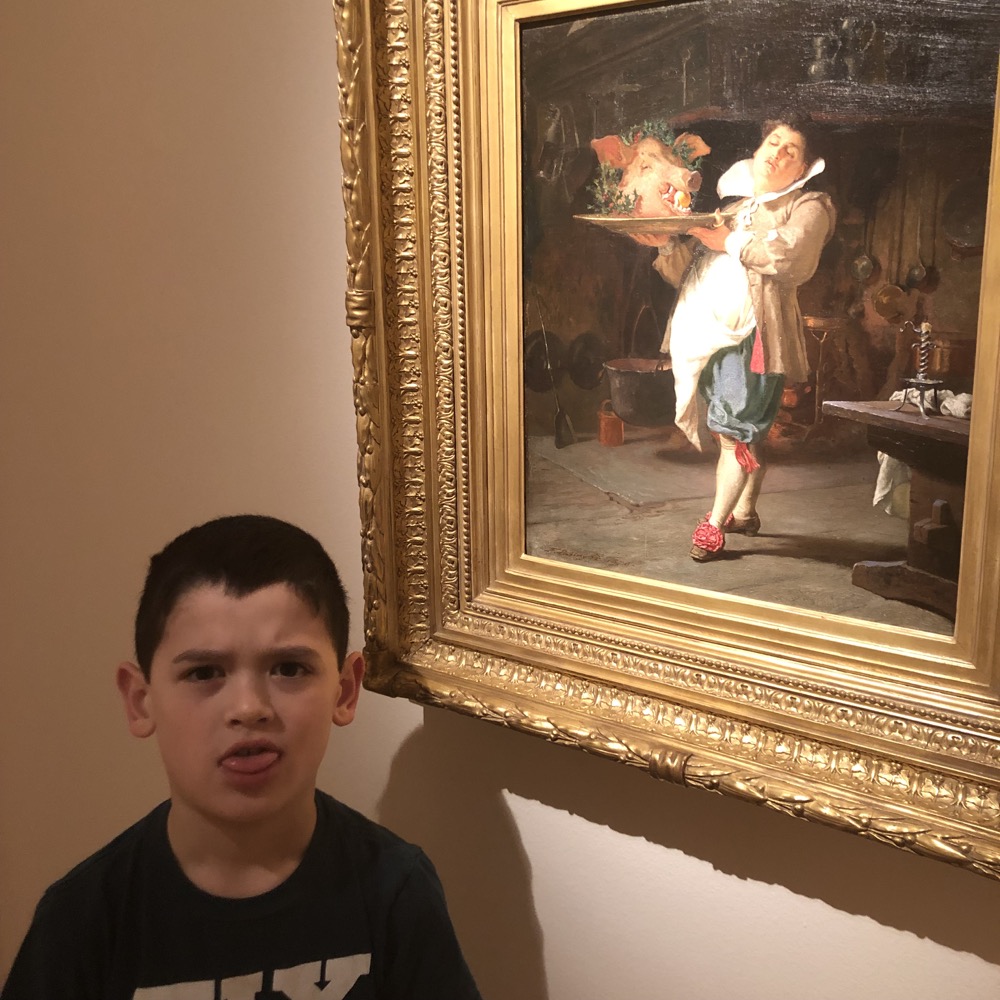
“The Plate of Honor” by Francis Blackwell Mayer. And Calvin.
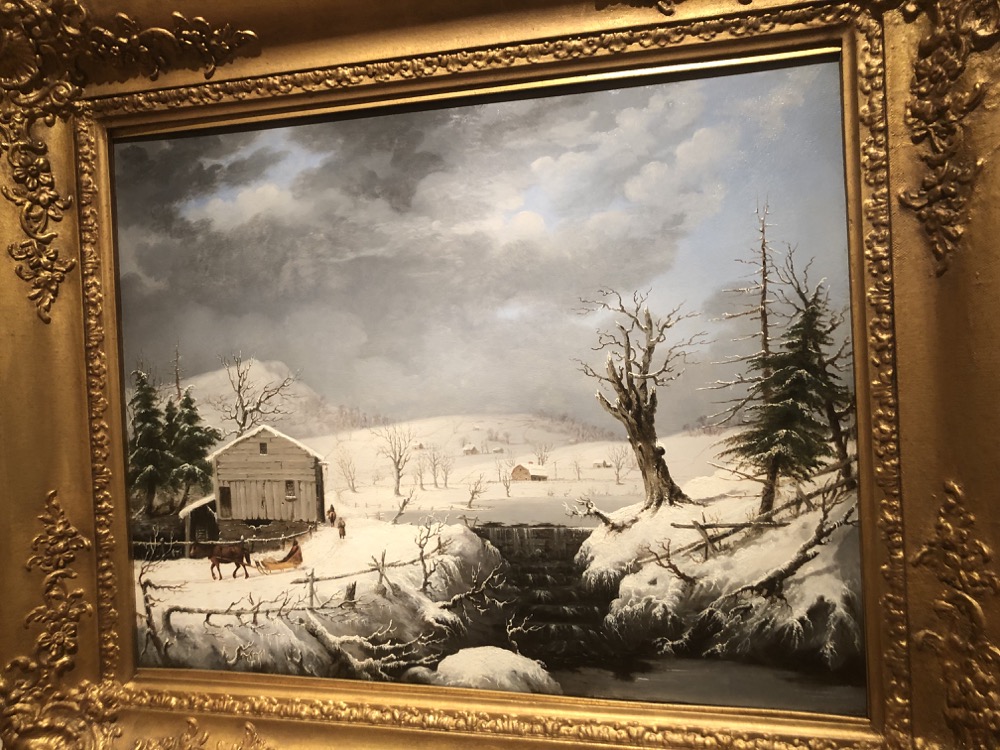
Winter in New England by George Henry Durrie
I realize there was no need to include that list of luminaries, but there you are. So many names associated with our region. And, admittedly, so many more I’ve never heard of. And that’s just the tip of the iceberg. Like there are 60 works by members of the Ash Can School!
Yeah, I’d never heard of that before either. The Ash Can School was an artistic movement in the United States during the late 19th-early 20th century that produced works portraying scenes of daily life in New York, often in the city’s poorer neighborhoods. The movement, which took some inspiration from Walt Whitman’s 1855 epic poem Leaves of Grass, has been seen as emblematic of the spirit of political rebellion of the period.
So says Wikipedia.
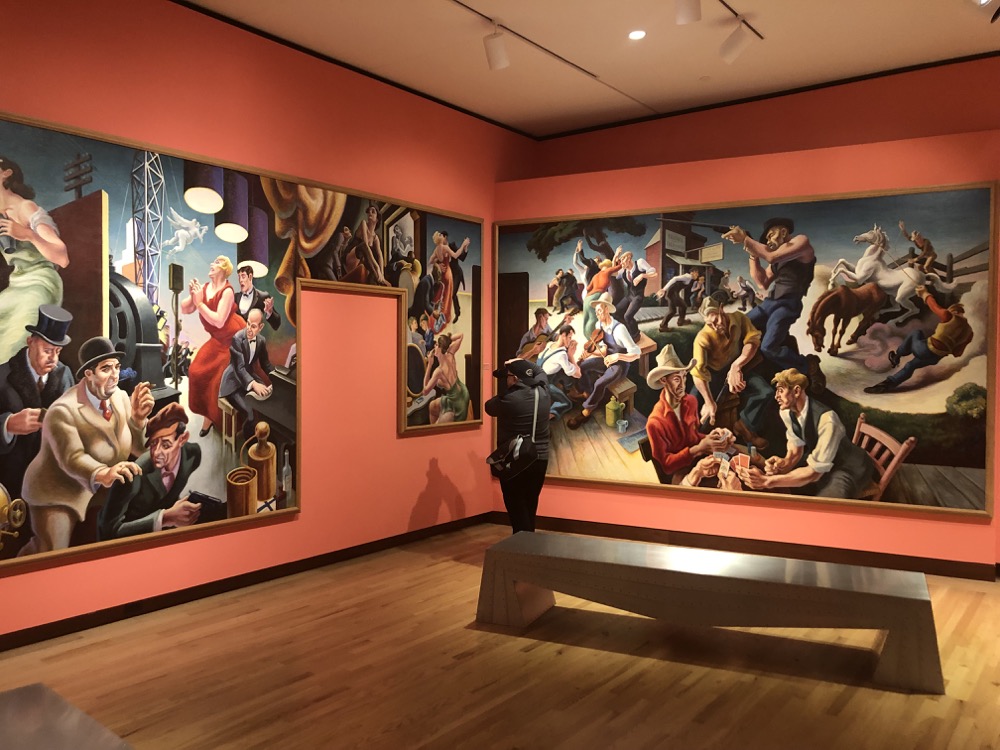
Political Business and Intellectual Ballyhoo by Thomas Hart Benton
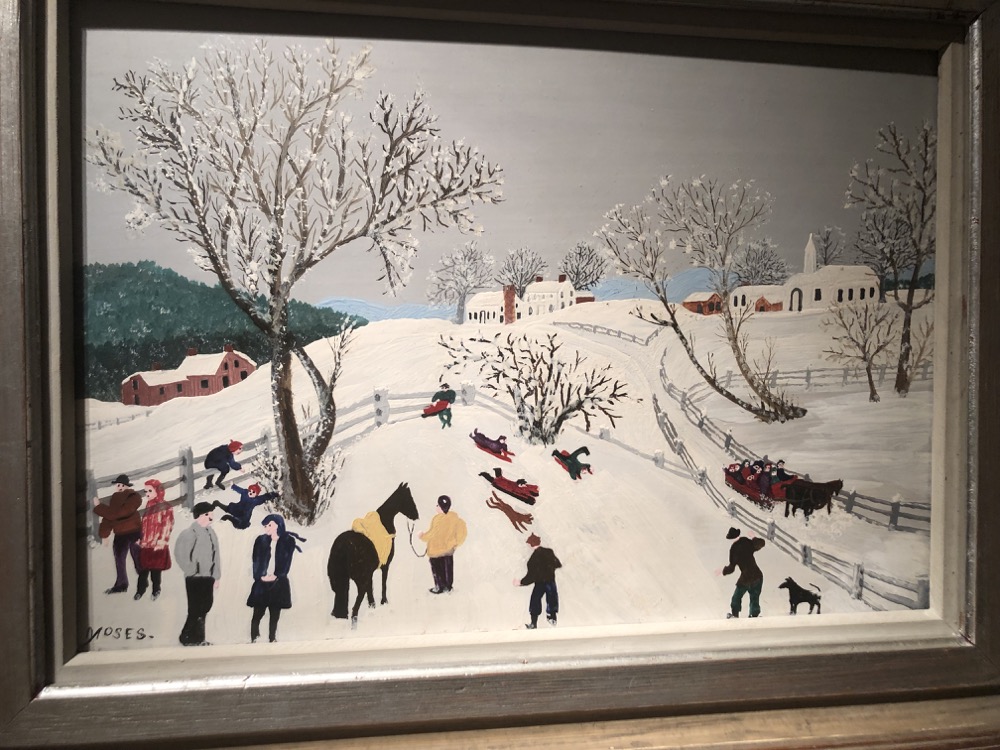
I don’t know the title, but I know this is by Grandma Moses… whose work I never really liked
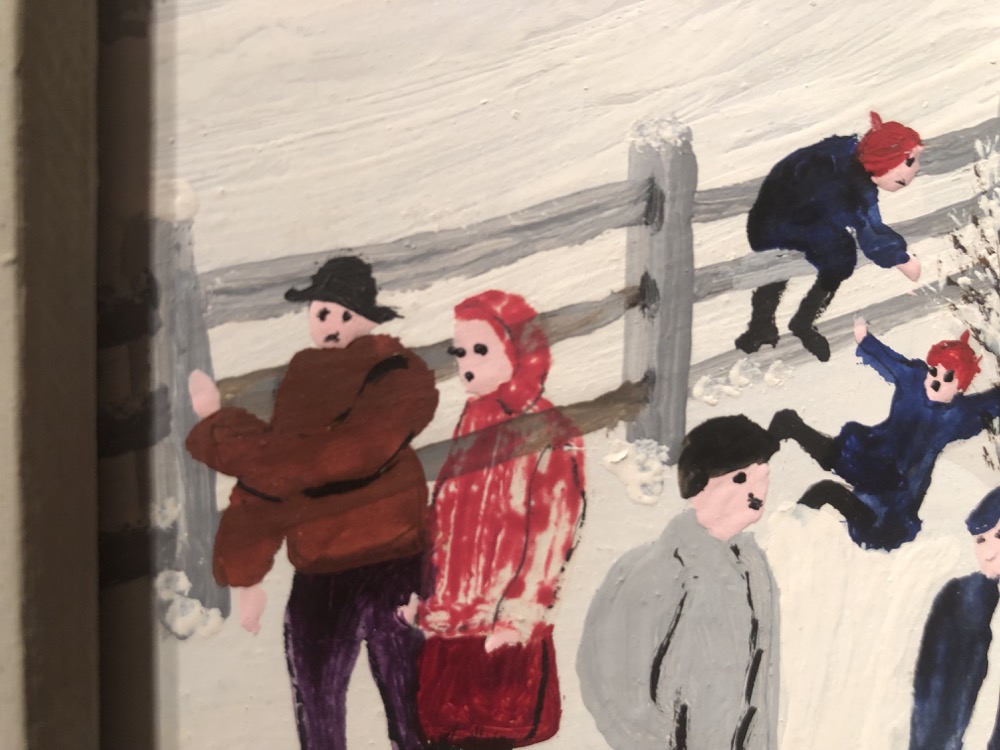
She made AI mistakes a hundred years before AI
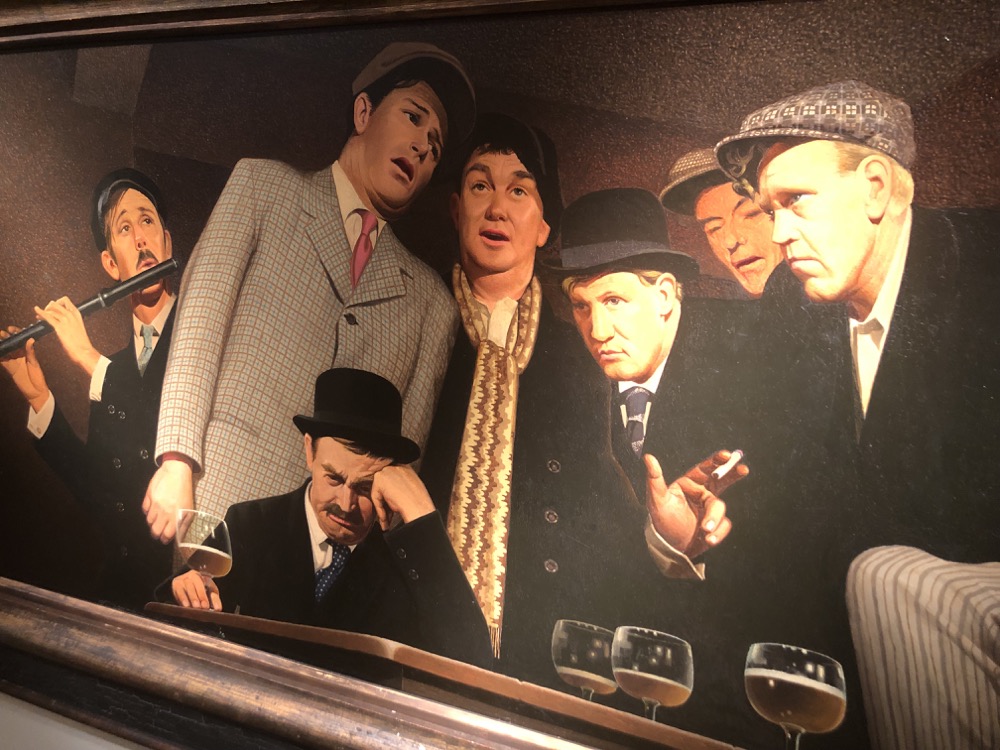
Sentimental Ballad by Grant Wood
Now we know. Do you go to art museums to see works by people you know, or to discover new artists to get to know? The NBMAA has all the American artists whose names carry weight. Those above and more. Like Grant Wood, Georgia O’Keefe, Robert Motherwell, Sam Francis, Robert Indiana, Christo, Connecticut’s own Sol LeWitt, Isamu Noguchi, and more.
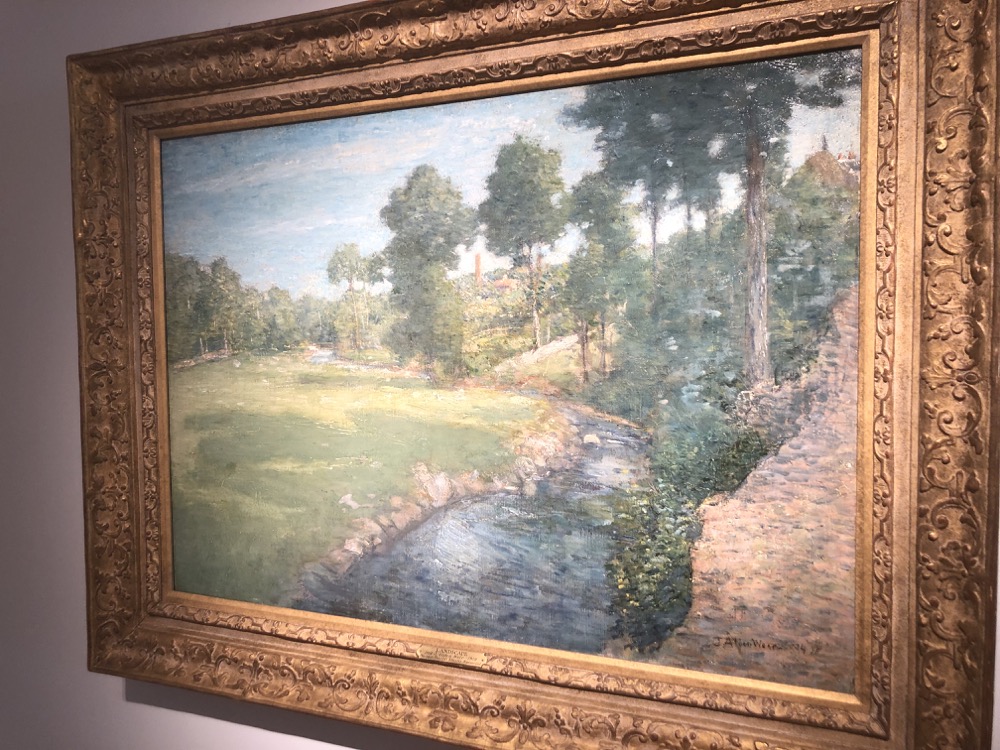
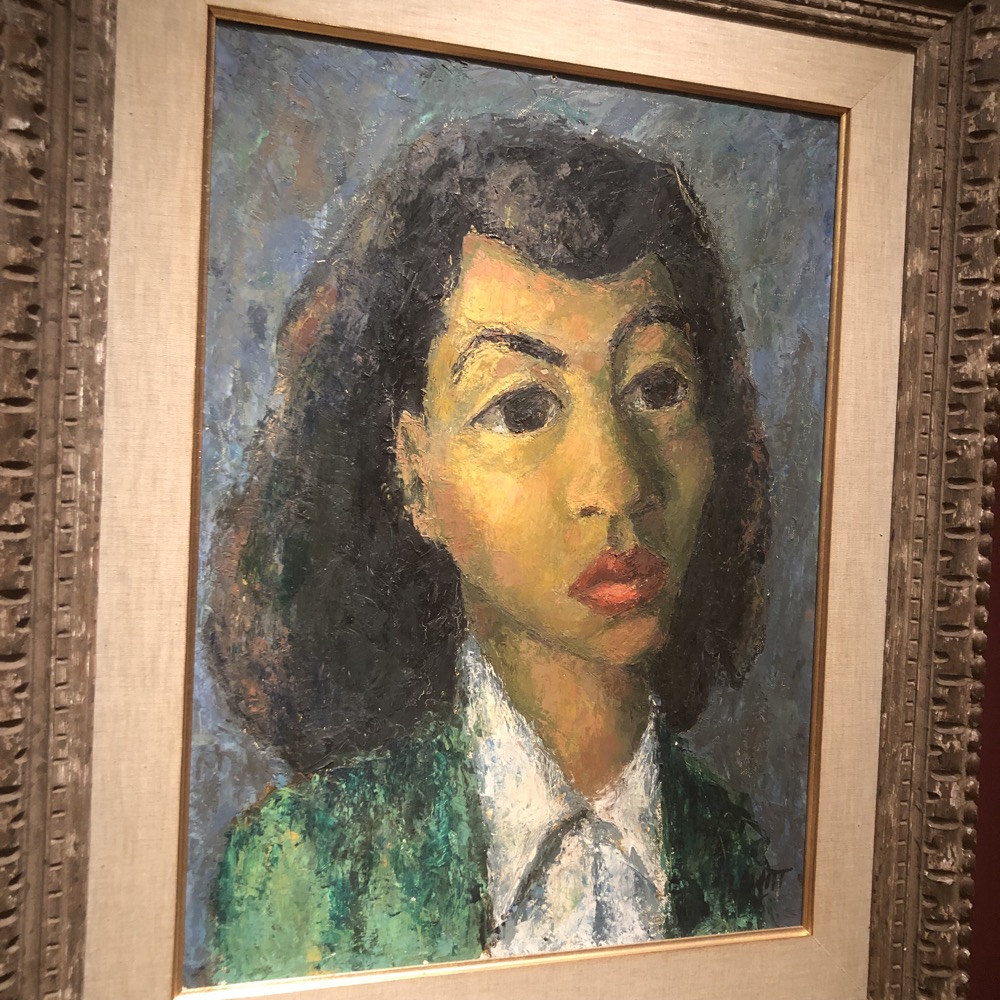
I suspect we’re all a little bit of both. In this particular museum, I was enjoying coming across Nutmeg-Americans. Local boys done good. How about a quiz… Which painters painted these next three pieces?
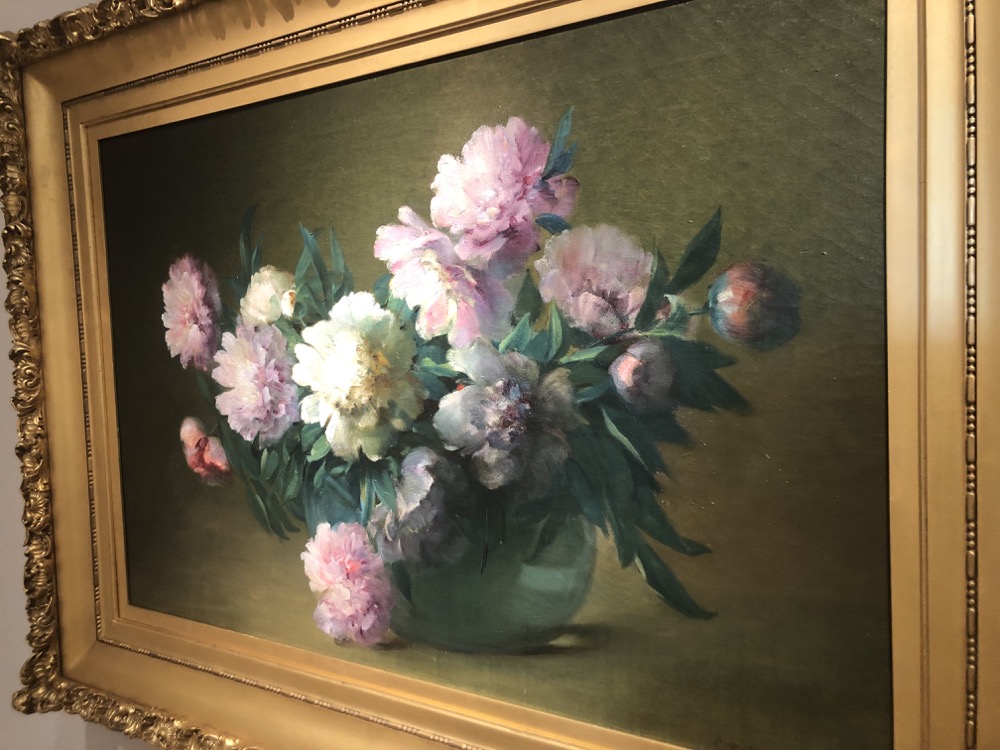
That first one is a little tough… That’s Peonies by Charles Ethan Porter. He’s a Hartford native who later lived in Vernon, but he never found fame during his life… probably because he was a black artist in the 1800’s. His house and gravesite are now on the Connecticut Freedom Trail at least.
The second one is by the more famous J. Alden Weir, called Landscape. Weir’s farm in Wilton is now a National Historic Park and museum – and if you’re interested in the NBMAA, you must make the trek out there to check it out.
And the third one may surprise you. That’s an early Sol Lewitt portrait. Not exactly what he became famous for, eh? Not only is he a Connecticut guy, he grew up in New Britain and graduated from New Britain High, just like a certain someone I married! He even took classes at a kid at this very museum!
The NBMAA is the perfect size. It’s not too big or sprawling and therefore little kids can remain engaged throughout. The mix of time periods and styles means that there will be something for everyone around every corner.
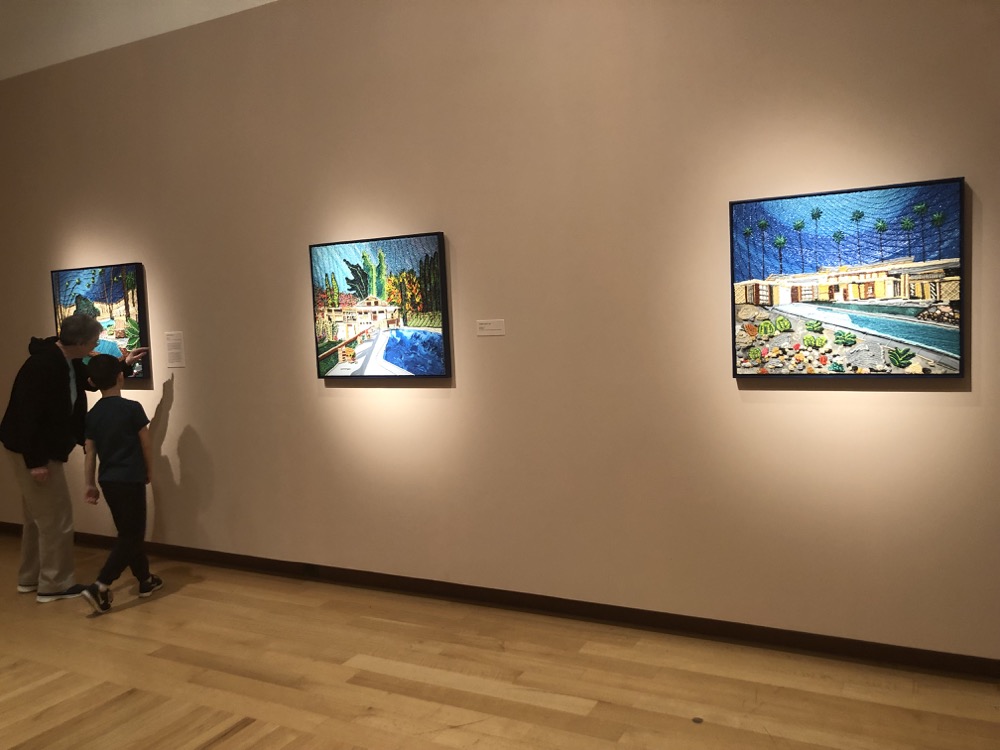
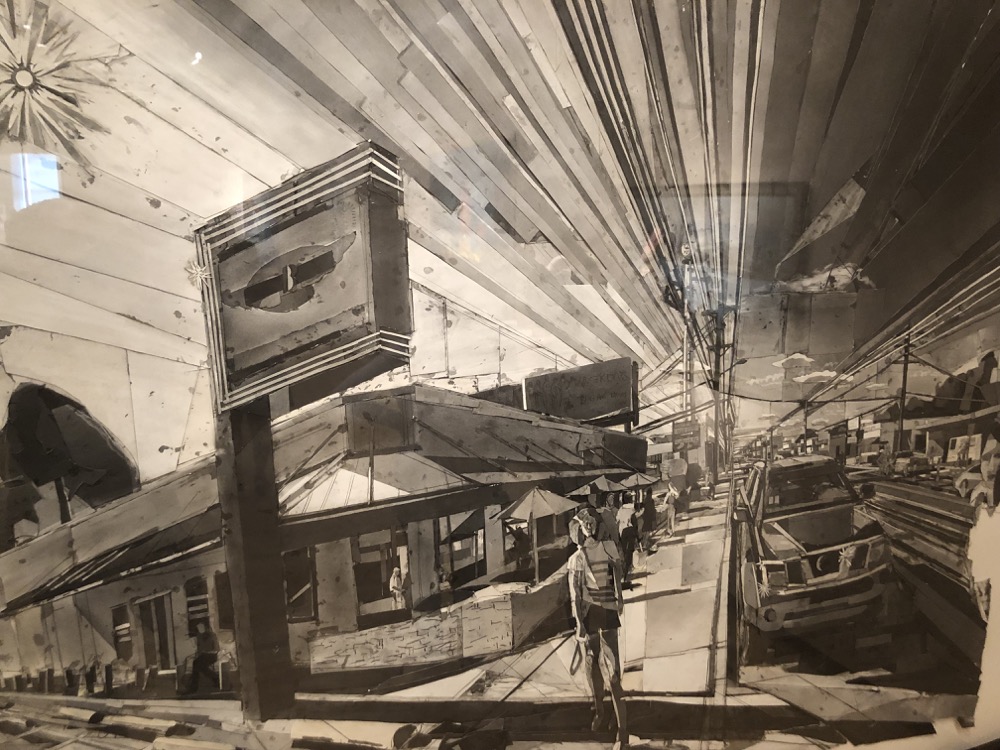
Peoria Avenue #7 by Mark Lewis
You Know what? It’s an art museum. A medium-large one in the middle of Connecticut. While there are certainly docent led tours and much more information available to any and all than I’m giving you here, I don’t really have all that much more to say about it.
So how about I just plop in a bunch of photos here, do a wrap up at the bottom, and call it a day? Cool? Cool.
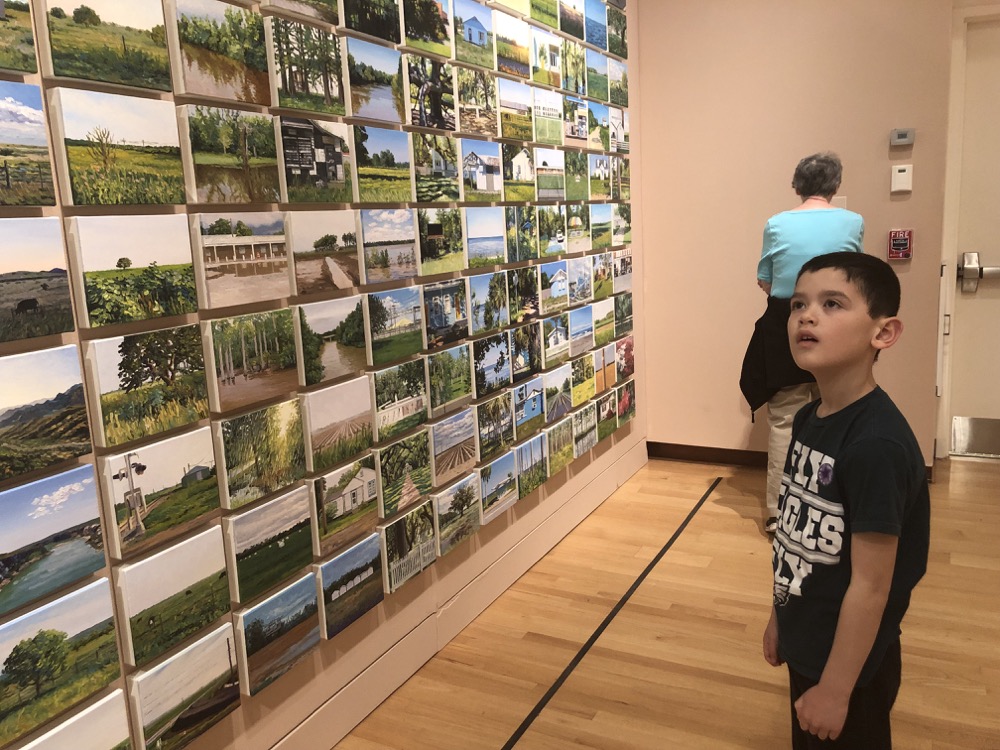
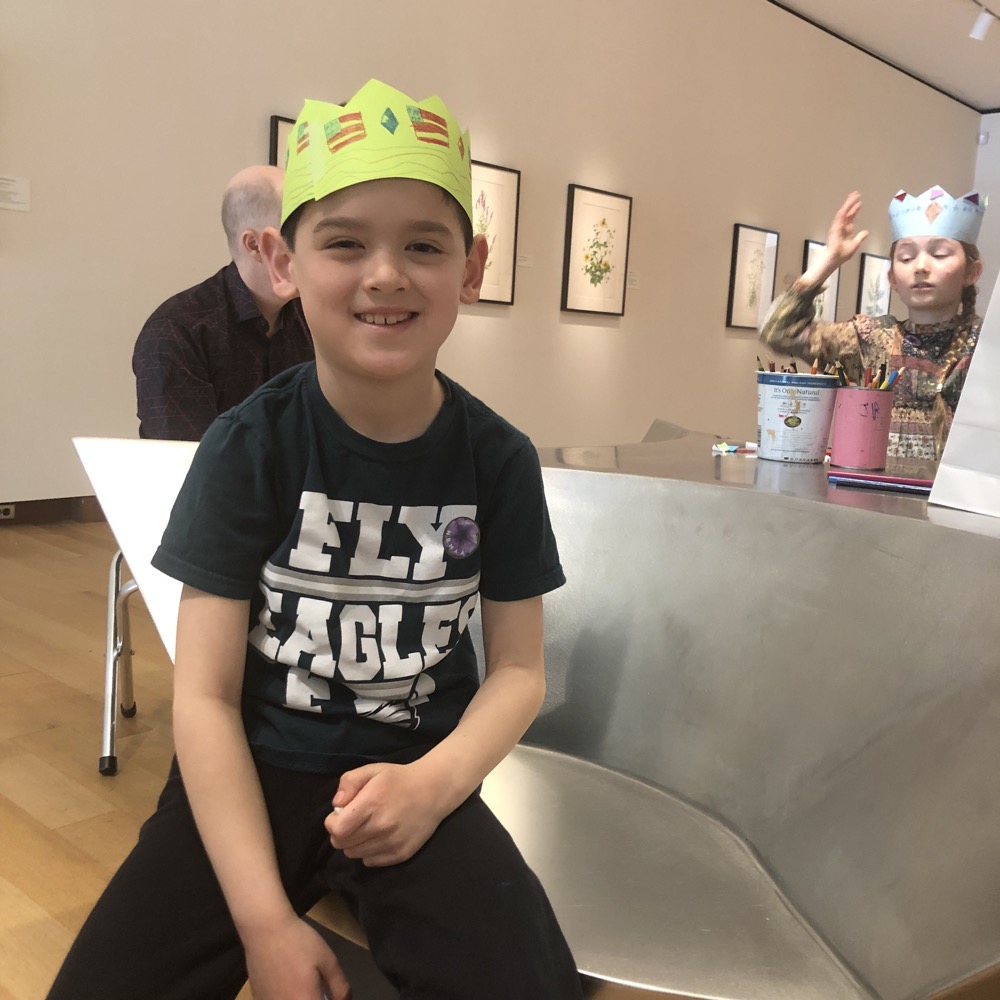
Here’s an example of just-turned-eight Calvin feigning awe. Cracks me up.
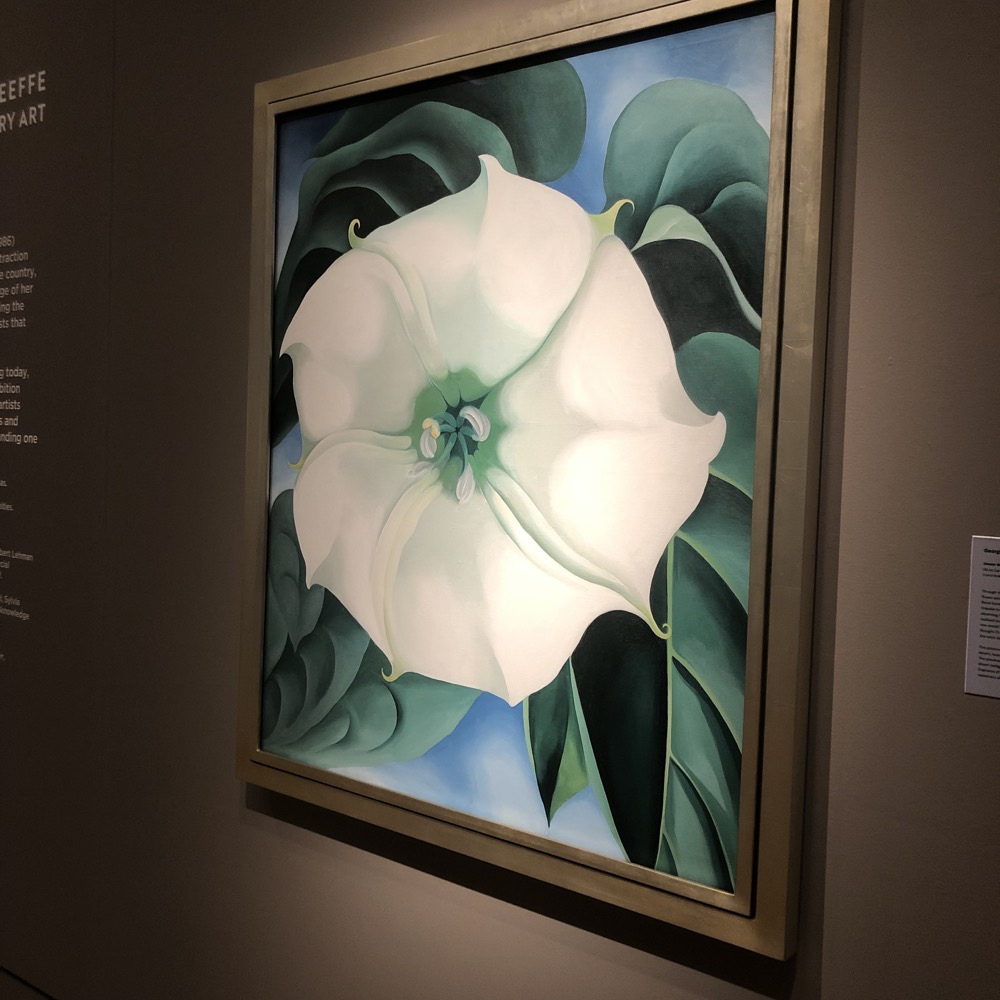
Oh you know who painted this one.
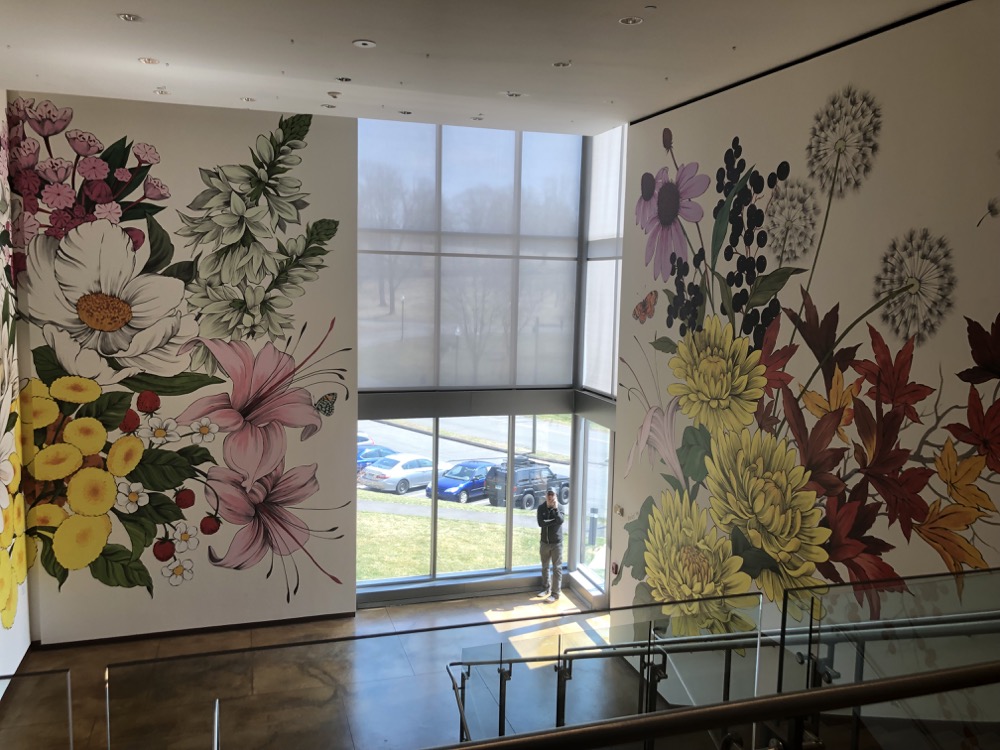
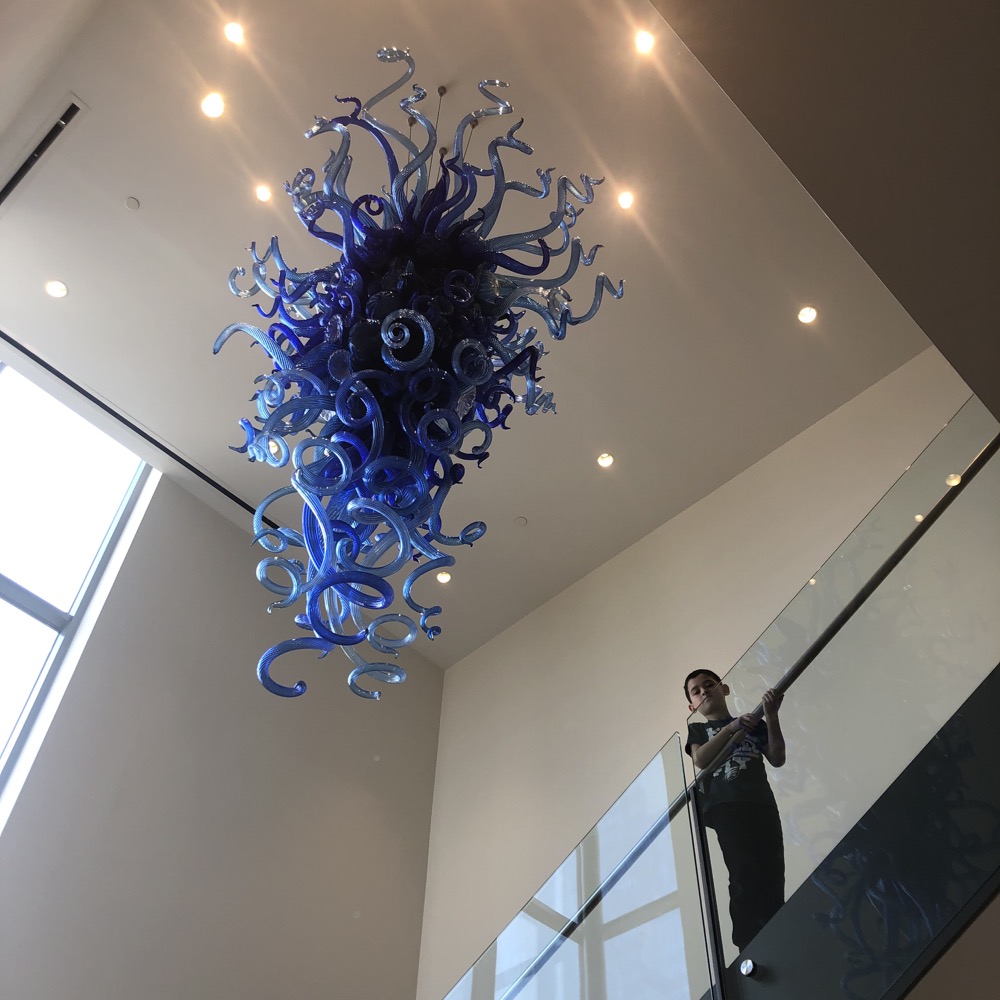
The prettiest stairwell in the state (with some random person staring at me)
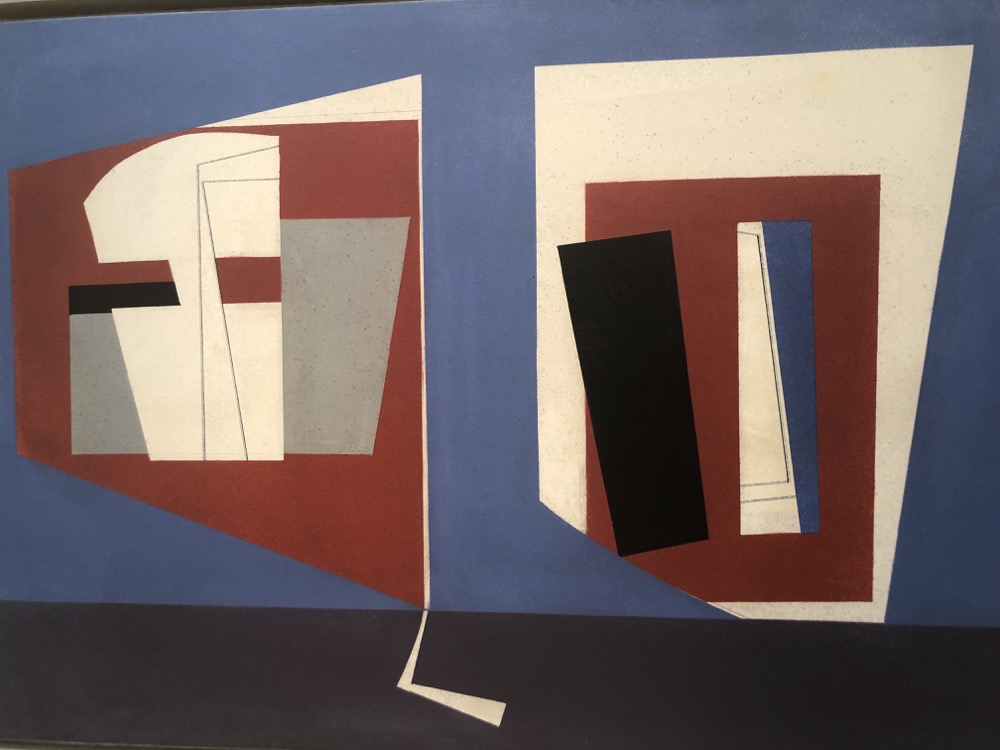
Balcomb Greene’s Blue World
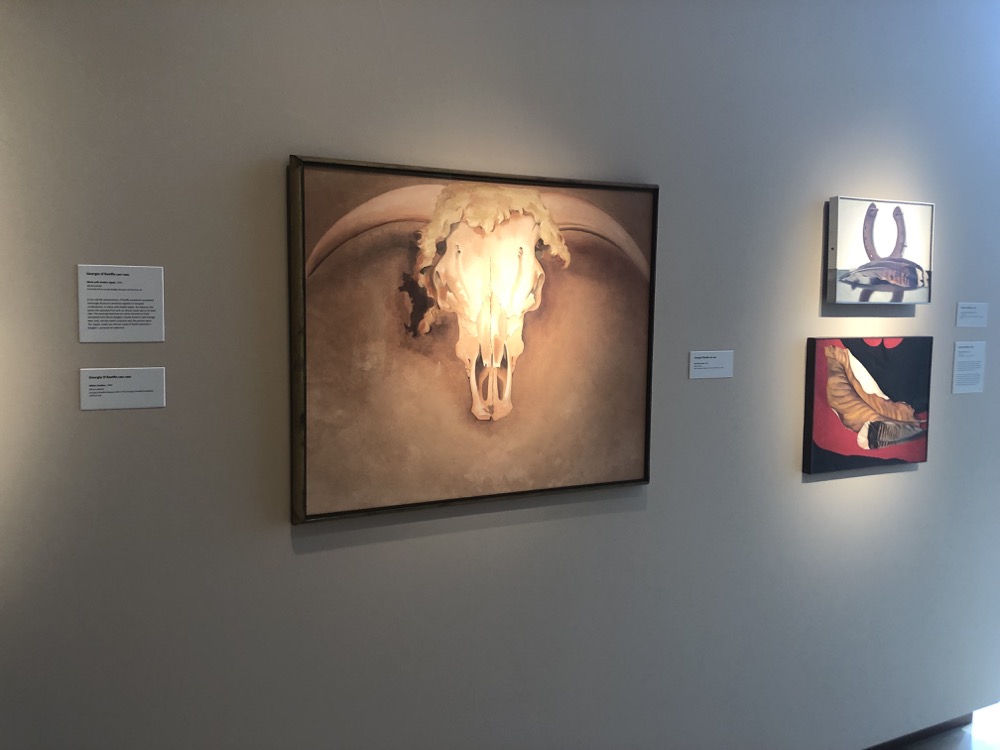
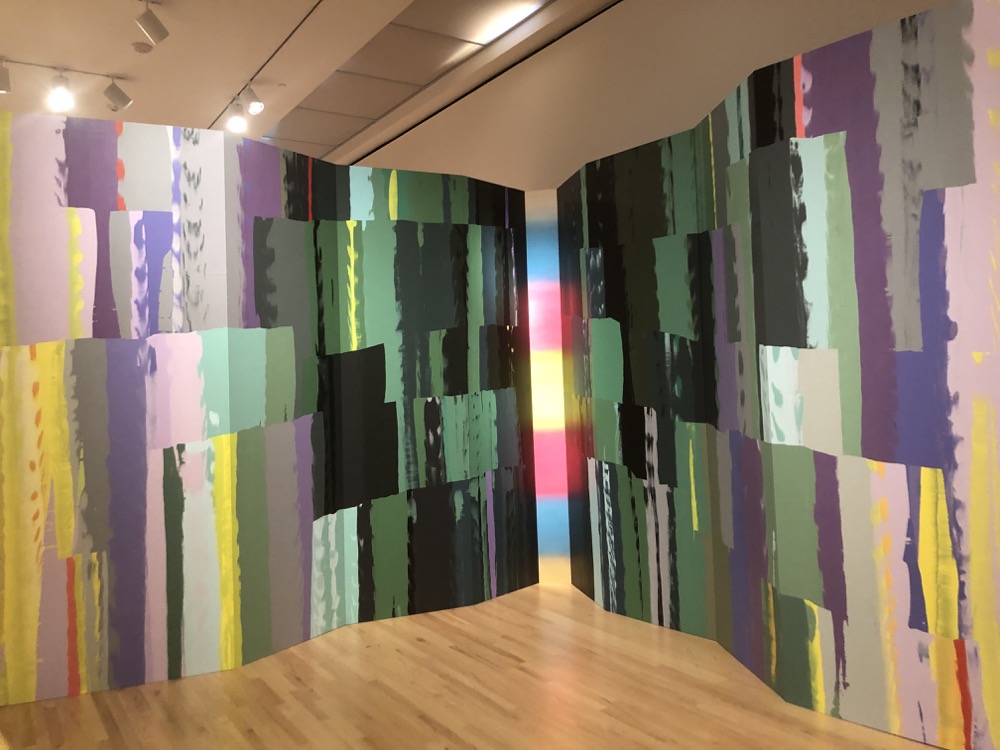
Untitled by Pearl C. Hsiung
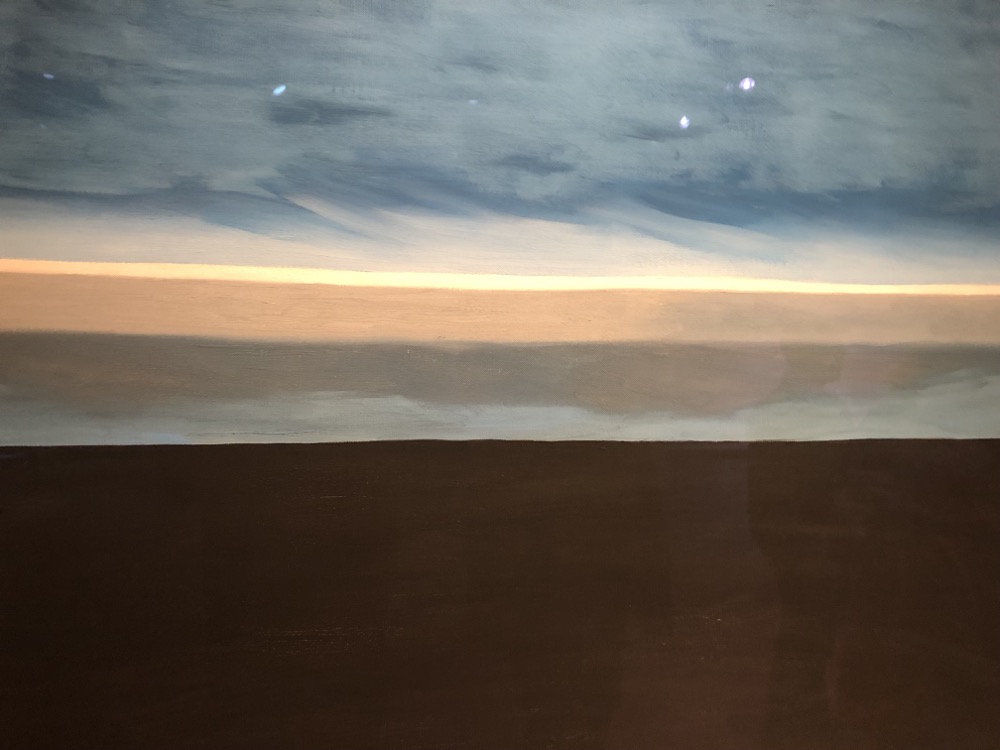
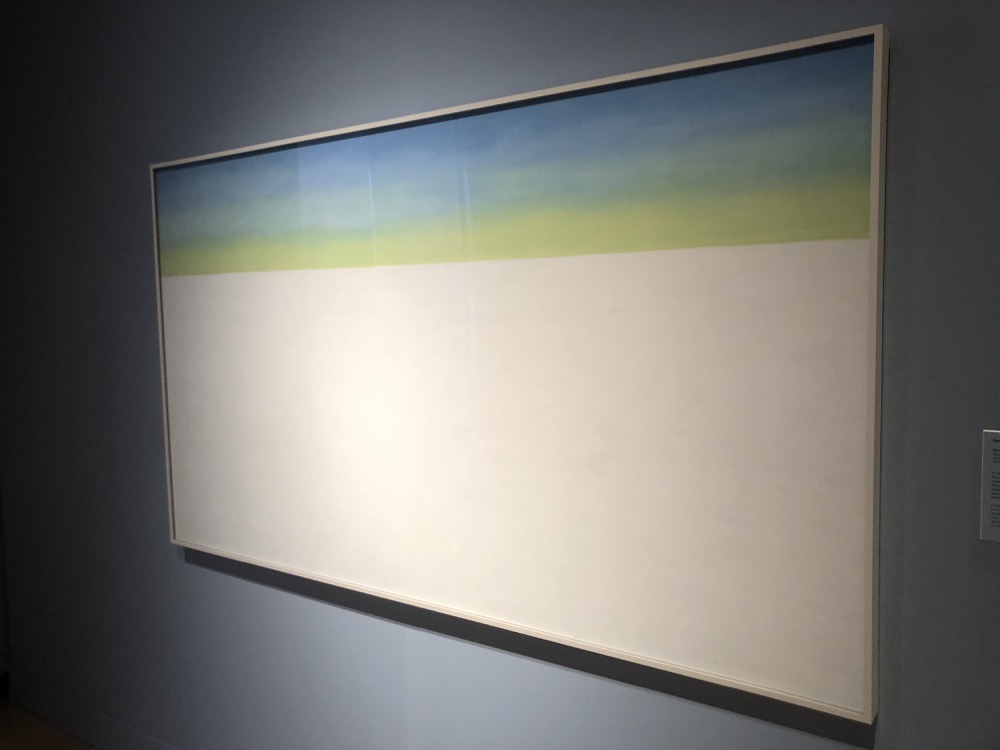
These last 2 are both Georgia O’Keefes, believe it or not.
Good stuff.
Even better than the art and the history is the museum’s commitment to the community. While it draws visitors from all over the country and the world, there is just as much focus on the local underserved community.
New Britain, a midsized city of 74,135, is rich in immigrant and manufacturing heritage, including the presence of Stanley Black & Decker. The city is home to a significant Polish population and a growing Latin American community, with approximately 20.5% of residents living below the poverty line—well above the national average of 12.6%. For many local schoolchildren, a visit to the Museum is not only their first time in the Museum, but also their first encounter with any art museum. These visits provide transformative experiences, introducing students to the power of creativity, connecting to state curricular standards, and linking them to the broader mosaic of American artistic identity.
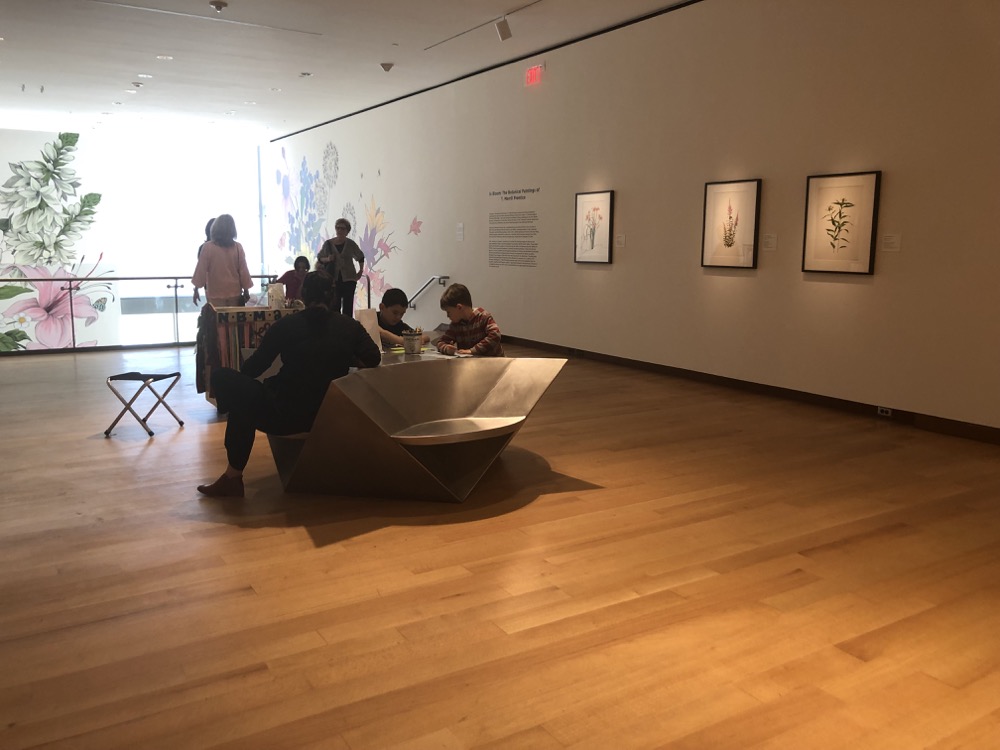
For this community, the Museum is a place for dialogue, for gathering, for respite, beauty, exploration and inspiration. Here, people of every background, age, race, and perspective are welcome. The Museum leans into this welcome, through monthly free Saturdays for New Britain, Access for All community days, and any number of free programs and passes, asking nothing from them but presence at “their Museum,” where they can see themselves in the featured artists and art on view, be entertained, and share in conversation. Attesting to this is the Membership—stronger in ranks than most other museums in the region— because the Museum is perceived as a museum for the people, accessible, and welcoming.
And that’s fantastic. I’m a champion of New Britain and other similar Connecticut cities that have suffered mightily with the loss of industry. Torrington has a growing arts scene, as does New London and Bridgeport. Those of us who may be more privileged than others should continue to support these institutions that strive to connect with their local communities through visitations and membership.

New Britain Museum of Art
CTMQ’s Museum Visits
CTMQ does the CT Art Trail
CTMQ’s US & World Firsts
1,000 places to see in the United States Before You Die (in CT) List



Leave a Reply